
- Introduction: The Sound We Can’t Seem to Ignore
- Deconstructing the Trend: What IS ASMR Mukbang?
- The Allure of the Sounds: Why ASMR Works Here
- More Than Just Sound: The Mukbang Appeal
- Decoding the Popularity: Loneliness, Cravings, and Curiosity
- Controversy Corner: Waste, Health, and Performance
- Behind the Camera: Why Create ASMR Mukbang Content?
- Conclusion: Our Complicated Relationship with ASMR Mukbang
Introduction: The Sound We Can’t Seem to Ignore
The world of ASMR Mukbang is undeniably one of YouTube’s most fascinating and, let’s be honest, sometimes baffling phenomena that consistently grabs views and sparks conversation. If you’ve ever found yourself inexplicably drawn into a video featuring someone intensely whispering while consuming vast quantities of crunchy, slurpy, or chewy food amplified through high-fidelity microphones, you’re not alone. I’ll admit, my first encounter left me bewildered, yet intrigued. How did this combination of intimate eating sounds and visual feasting become such a massive online trend, racking up billions of views across countless channels?
It’s a sensory overload designed for a digital audience, merging two already popular online video formats – ASMR (Autonomous Sensory Meridian Response) and Mukbang (social eating broadcasts originating from South Korea). This hybrid caters to a peculiar intersection of human senses and psychology, offering everything from relaxation triggers to vicarious satisfaction. But its rise hasn’t been without intense debate, making it a perfect snapshot of current internet culture.
Deconstructing the Trend: What IS ASMR Mukbang?
Before diving deeper, let’s quickly define the two core components:
- ASMR (Autonomous Sensory Meridian Response): This refers to that pleasant, tingling sensation some people experience, often starting on the scalp and moving down the body. It’s triggered by specific auditory or visual stimuli, like whispering, tapping, crinkling sounds, or gentle movements. The goal of ASMR content is typically relaxation and stress relief.
- Mukbang (먹방): Originating in South Korea around 2010, ‘mukbang’ translates to “eating broadcast.” Creators consume large amounts of food while interacting with their audience, offering a form of social eating and entertainment.
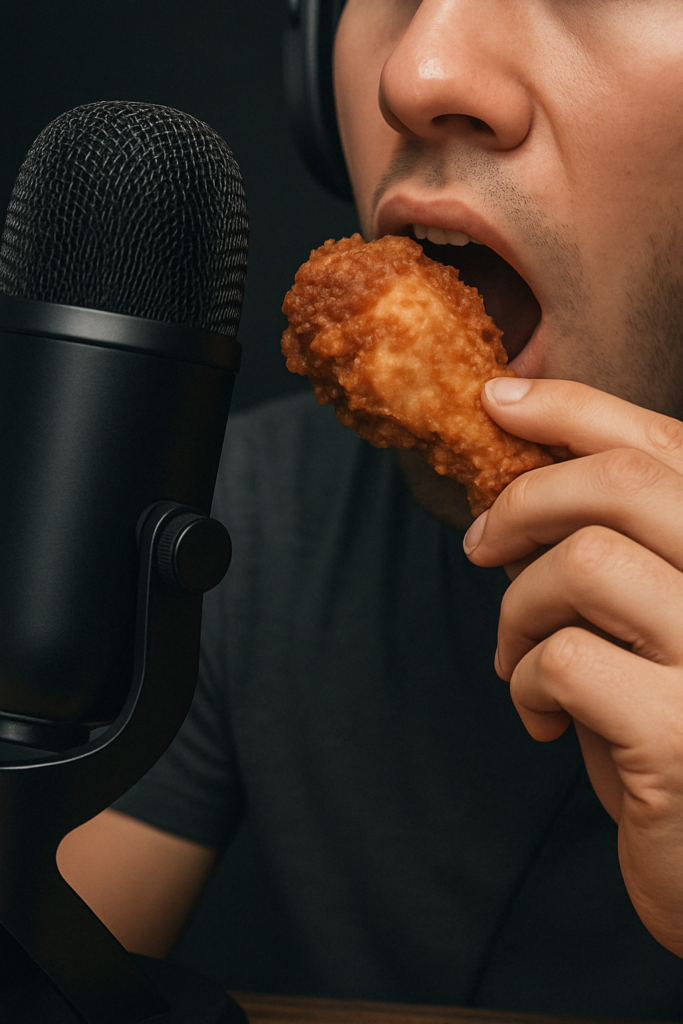
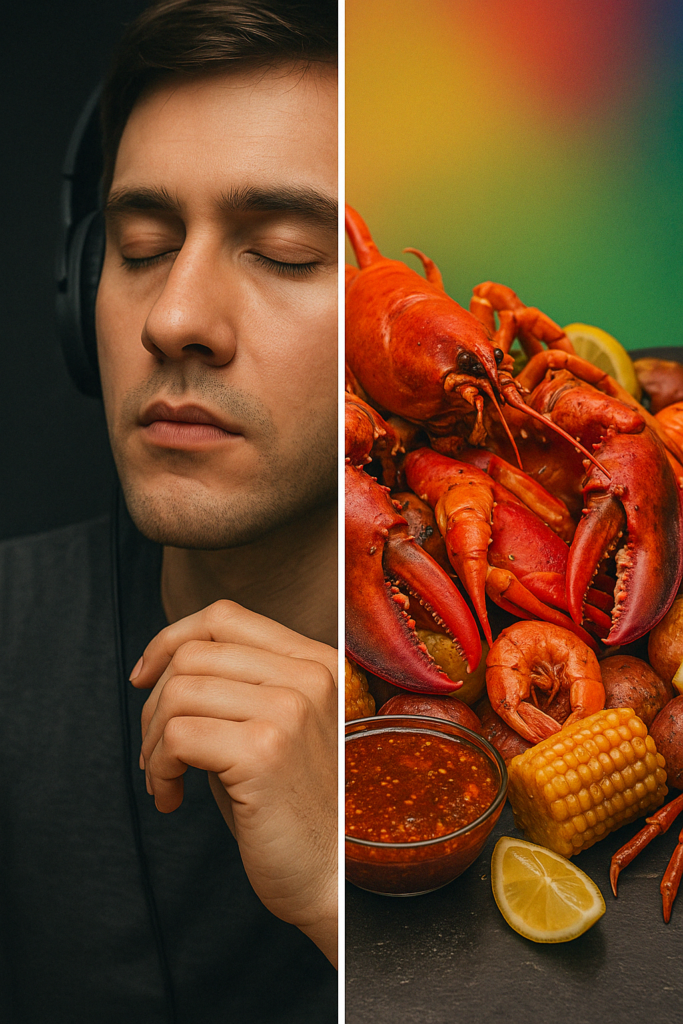
ASMR Mukbang fuses these elements. Creators eat (often large portions of visually or sonically interesting foods) very close to high-sensitivity microphones, amplifying every crunch, slurp, gulp, and chew. They often incorporate soft whispering commentary between bites. The focus shifts from mere social eating to highlighting the *sounds* of eating as potential ASMR triggers. Think giant seafood boils with amplified shell cracking, crispy fried chicken with loud crunches, or slurping noodles magnified tenfold.
The Allure of the Sounds: Why ASMR Works Here
For those susceptible to ASMR, the appeal is clear: the specific sounds of eating can be potent triggers. The sharp crackle of biting into something crispy, the wet slurp of noodles, the soft chewing sounds – these can induce the characteristic “tingles” and deep relaxation for some viewers. It’s like a direct line to the brain’s pleasure centers, bypassing conscious thought.
Creators invest heavily in high-quality microphones (like the Blue Yeti or specialised binaural mics) placed strategically to capture every nuance. This focus on audio fidelity transforms mundane eating noises into an intimate, almost hyper-realistic soundscape. It’s this intentional amplification and isolation of sound that separates ASMR Mukbang from just watching someone eat loudly. I’ve seen comments sections filled with people saying these sounds genuinely help them sleep or de-stress after a long day – it’s a unique form of auditory therapy for them.
Common ASMR triggers in these videos include:
- Crispy/Crunchy sounds (fried foods, chips, pickles)
- Slurping sounds (noodles, soup)
- Chewing sounds (gummies, mochi, meat)
- Tapping on food containers or plates
- Whispering narration
- Crinkling wrappers
More Than Just Sound: The Mukbang Appeal
While sound is key in the ASMR aspect, let’s not forget the Mukbang element – the visual consumption of food. Often, the quantities are enormous, and the food itself is visually stimulating: brightly colored, dripping with sauce, or featuring unique textures. Part of the appeal is simply watching someone indulge in foods viewers might be craving or restricting themselves from.
There’s a performative aspect too. Creators often display exaggerated enjoyment, reacting intensely to flavors and textures. This visual feast, combined with the amplified sounds, creates a multi-sensory experience. It taps into our primal relationship with food – the pleasure of eating, the satisfaction of abundance, and even the curiosity about exotic or extravagant meals that we might not experience ourselves. It’s food porn elevated, or perhaps devolved, depending on your perspective.
Decoding the Popularity: Loneliness, Cravings, and Curiosity
Why do millions tune in? The reasons are multifaceted and often personal:
- ASMR Triggers: As discussed, for many, it’s purely about relaxation and the pleasant tingling sensation.
- Vicarious Satisfaction: People on diets, those with limited food budgets, or individuals with dietary restrictions can experience eating desirable foods vicariously.
- Combating Loneliness: Mukbang, in general, provides a sense of companionship. Viewers feel like they’re sharing a meal with the creator, alleviating feelings of isolation. The intimate whispering of ASMR can enhance this feeling.
- Food Discovery & Curiosity: Viewers might be curious about specific foods, particularly regional or international cuisines often featured. It’s a low-stakes way to “try” something new.
- Escapism & Entertainment: Like any popular online content, it offers a distraction and a form of passive entertainment. The sheer excess can be captivating in a car-crash sort of way for some.
- Normalization/Community: Some viewers find comfort in the normalization of eating sounds, which might be considered impolite in other contexts. Finding a community that enjoys the same niche content can be validating.
Personally, I suspect the loneliness factor plays a huge role in our increasingly disconnected world. Sharing a (virtual) meal, even with amplified chewing sounds, offers a strange kind of connection.
Controversy Corner: Waste, Health, and Performance
The popularity of ASMR Mukbang comes with significant criticism, frequently debated on forums and comment sections:
- Promotion of Unhealthy Eating: The sheer volume and often unhealthy nature (high fat, sugar, salt) of the food consumed can normalize overeating and unhealthy dietary habits.
- Food Waste: Concerns abound that creators don’t actually finish the massive quantities displayed, leading to significant food waste purely for views. While many creators deny this, the perception persists.
- Potential Eating Disorder Trigger: The intense focus on food, consumption, and sometimes exaggerated thinness of creators despite large intakes can be triggering for individuals struggling with or recovering from eating disorders.
- Performative & Unrealistic: The exaggerated reactions and sounds can feel forced or grotesque to detractors. The “performance” of eating can overshadow genuine enjoyment.
- Noise Sensitivity: For individuals with misophonia (a disorder where specific sounds trigger negative emotional responses), ASMR Mukbang can be incredibly distressing rather than relaxing.
- Environmental Impact: The frequent use of disposable packaging, especially with takeout orders often featured, adds to environmental concerns.
These criticisms highlight the ethical tightrope creators walk and the potential negative impact on both viewers and broader societal attitudes towards food. It’s a complex issue without easy answers, fueling ongoing debate about platform responsibility and creator accountability.
Behind the Camera: Why Create ASMR Mukbang Content?
Given the controversies, why do people create this content? Popularity is a huge driver. ASMR Mukbang videos consistently garner high view counts, which translates directly to ad revenue and sponsorship opportunities on platforms like YouTube. It’s a proven formula for audience engagement within certain demographics.
Many creators genuinely enjoy eating and connecting with their audience. They might also be ASMR enthusiasts themselves and find satisfaction in providing relaxing content for others. Building a community around shared interests (even niche ones like specific eating sounds) can be rewarding. Of course, like any entertainment field, fame and financial incentives play a significant role. The barrier to entry is relatively low (camera, microphone, food), making it an accessible path to online content creation, though standing out requires consistency and understanding the specific triggers viewers seek.
Conclusion: Our Complicated Relationship with ASMR Mukbang
Ultimately, ASMR Mukbang remains a polarizing yet undeniably significant fixture in the online video landscape, particularly visible on YouTube’s trending lists. It perfectly encapsulates internet culture’s ability to create hyper-specific niches catering to unique sensory preferences and psychological needs – from relaxation and companionship to vicarious indulgence and sheer curiosity. It taps into something primal about food and sound, amplified through technology.
While it provides comfort and entertainment for millions, the valid criticisms regarding health, waste, and performative excess cannot be ignored. Our collective fascination with ASMR Mukbang reflects our complex, evolving relationship with food, media, and digital intimacy. Whether you find it soothing, strange, or slightly sickening, its continued popularity suggests it’s a trend that speaks volumes (often literally) about our current moment online. It forces us to question what we seek from digital content and the unexpected places we might find connection or solace.