
Dru Baker: Tracking the Journey of a Baseball Prospect
- Introduction to Dru Baker’s Baseball Story
- College Standout: Dru Baker at Texas Tech
- Drafted into Professional Baseball: Joining the Rays Organization
- Navigating the Minor Leagues: Development and Adaptations
- Scouting Report: Analyzing Dru Baker’s Game
- The Recent Trade: A New Chapter with the White Sox
- What the Future Holds for Dru Baker
- Conclusion: The Path Forward for Dru Baker
Dru Baker is a name that has been on the radar of baseball enthusiasts, particularly those who follow college and minor league circuits. Having tracked promising players for years, I find Dru Baker’s journey particularly compelling – a college star adapting his game for the professional ranks. It’s a path filled with adjustments, challenges, and moments of significant progress. This article delves into the career of the talented baseball prospect Dru Baker, from his standout days in college to his current status in professional baseball, including his recent trade.
Every baseball player’s trajectory is unique, marked by pivotal moments and continuous development. For Texas Tech baseball player Dru Baker, his path has been no different. It’s a story of raw talent refined through experience, position changes, and the relentless pursuit of improvement. Watching players like Dru Baker navigate the complexities of professional baseball offers a fascinating glimpse into the dedication required to ascend through the ranks. Let’s explore the key stages of his career and what makes him an interesting prospect to watch.
College Standout: Dru Baker at Texas Tech
Before entering the professional spotlight, Dru Baker made a significant impact at Texas Tech University. He spent three seasons with the Red Raiders (2019-2021), quickly establishing himself as a key offensive player. In his freshman year (2019), he appeared in 45 games, starting 32, primarily at shortstop before transitioning to third base. He helped Texas Tech achieve a 46-20 record, win a Big 12 title, and reach the College World Series, finishing the year ranked No. 4 nationally . Baker finished that season with a .321 batting average, six doubles, three home runs, and 25 RBIs, demonstrating early signs of his hitting ability .
His sophomore season in 2020, though shortened by the pandemic, saw him transition to the outfield, appearing in 17 games with 16 starts. He hit .266 with two home runs and a team-high two triples, contributing to Tech’s 16-3 start and No. 1 ranking . I remember thinking this position change highlighted his versatility and willingness to adapt for the team.
The 2021 season was arguably his best statistically at Texas Tech. Baker hit an impressive .356/.420/.502, continuing to be a valuable table setter for the Red Raiders. His consistent performance earned him accolades, including being named Big 12 Player of the Week multiple times . His ability to hit for average and get on base made him a prominent figure in the Big 12 conference and a strong prospect for the upcoming MLB draft. His college career batting average over three years was a solid .330/.407/.478 .
Drafted into Professional Baseball: Joining the Rays Organization
Dru Baker’s strong collegiate performance did not go unnoticed by Major League Baseball teams. In the 2021 MLB June Amateur Draft, he was selected by the Tampa Bay Rays in the 4th round with the 130th overall pick . This was a significant step, marking his transition from college star to professional baseball hopeful. The Rays are known for their strong player development system, which seemed like a promising fit for a player with Baker’s profile.
Signing with the Rays meant embarking on the challenging journey through the minor league system. For any drafted player, this is where the real work begins – adjusting to daily professional routines, facing advanced pitching, and proving their skills consistently. The signing bonus reported was $431,800 . My experience following minor league baseball has taught me that the draft is just the beginning; the true test is navigating the levels that follow.
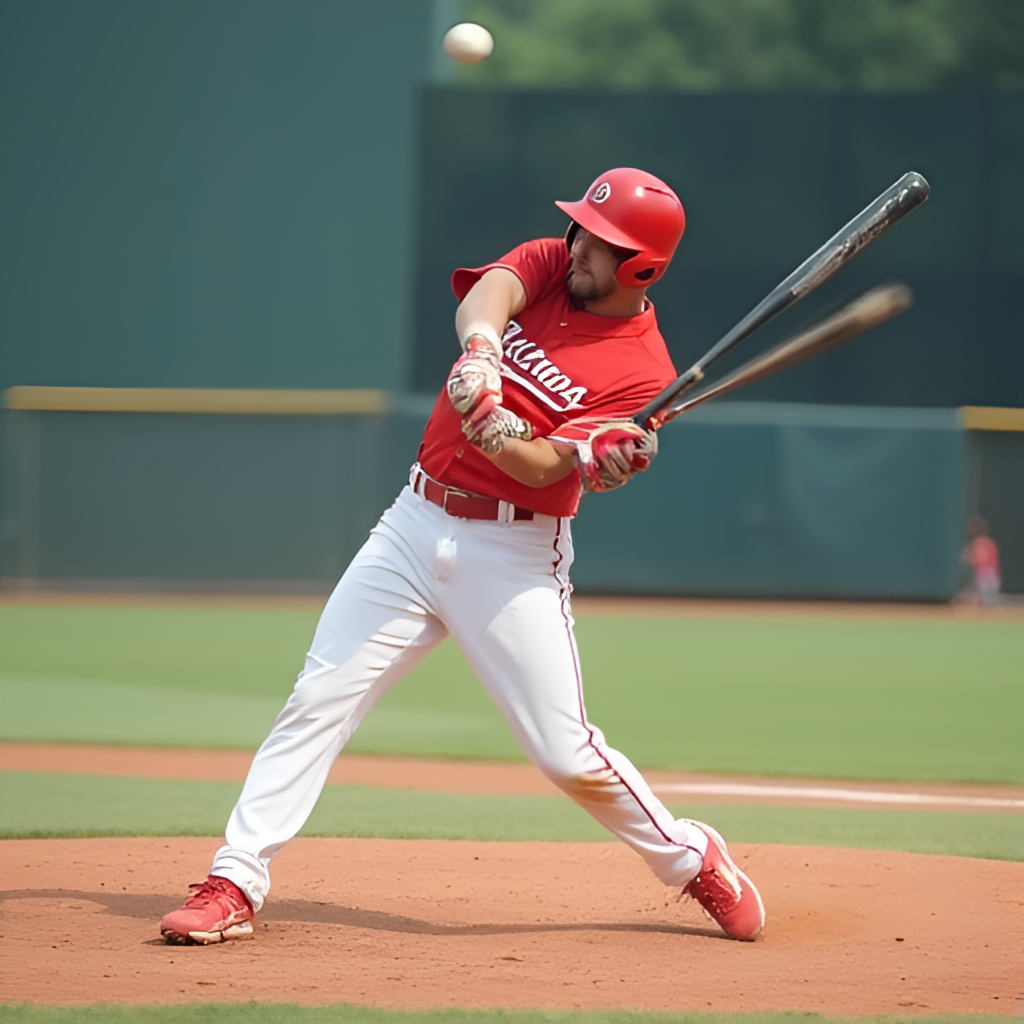
This image is a fictional image generated by GlobalTrendHub.
Navigating the Minor Leagues: Development and Adaptations
Since being drafted in 2021, minor league outfielder Dru Baker has spent his time developing within the Rays’ system. His journey has taken him through various levels, facing increasingly difficult competition. Across five minor league seasons (2021-2025) within the Rays organization, Baker played in 312 career games . During this time, he accumulated stats that reflect his strengths and areas for growth.
His minor league statistics show a player who consistently gets on base and uses his speed. Across those 312 games, he batted .290/.368/.403 with 41 doubles, 14 triples, 21 homers, 143 RBI, 190 runs scored, and an impressive 119 stolen bases . The significant number of stolen bases indicates his above-average speed, a valuable tool in modern baseball. While his power numbers aren’t eye-popping, the increase to 21 homers over five seasons (compared to 15 in his first four years combined) suggests some power development .
Baker has spent time at various levels, including Triple-A. He hit .245 in 17 Triple-A games this season before his recent transaction . Navigating the minors involves constant adjustments, not just to the pitching, but also to travel, different facilities, and the mental grind of a long season. It’s fascinating to watch players like Baker refine their approach and adapt their skills to the professional game. MiLB.com is a great resource for tracking his progress and detailed stats.
Scouting Report: Analyzing Dru Baker’s Game
Scouting reports on baseball prospect Dru Baker consistently highlight his hitting ability as his primary strength. He has above-average bat speed and good timing, allowing him to use the entire field . His college track record and minor league batting average (.290) support the assessment that he should be an above-average pro hitter . As someone who appreciates players with good plate discipline and contact skills, Baker’s profile is certainly appealing.
However, like many prospects, he has areas for improvement. Scouting reports note his well below-average power despite a strong frame, stating he rarely threatens outfield fences . Defensively, he’s been described as fringe-average in the outfield, sometimes struggling on balls hit over his head despite being an above-average runner . He has also played shortstop and third base, but his future in professional baseball seems most likely in the outfield, assuming his hitting continues to progress .
His versatility is a plus, having played multiple positions throughout college and the minors . An average arm strength is noted, which played better in the infield, with occasional accuracy issues in the outfield . Ultimately, evaluators suggest teams drafting or acquiring him are primarily betting on his bat . It’s always interesting to see how players work to improve their defensive skills while maintaining their offensive prowess in the competitive minor league environment.

This image is a fictional image generated by GlobalTrendHub.
The Recent Trade: A New Chapter with the White Sox
In a recent development on May 27, 2025, Dru Baker was involved in a trade. The Tampa Bay Rays acquired catcher Matt Thaiss from the Chicago White Sox in exchange for outfielder Dru Baker . This trade marks a new chapter in Baker’s career, moving to a different organization with its own development philosophies and opportunities. Trades are a common part of professional baseball, often providing players with a fresh start or a clearer path to the big leagues.
For Dru Baker, joining the White Sox organization presents a new environment to continue his development. The White Sox, in acquiring him, are clearly interested in his offensive potential and minor league performance . This move could potentially offer him different opportunities or a different organizational perspective on how best to utilize his skills and address areas for improvement.
Moving to a new team involves adjusting to new teammates, coaches, and potentially a new league or level depending on his assignment. It’s a test of a player’s adaptability and resilience. I’ll be keen to see where the White Sox assign him and how he performs in his new organizational setting. Sites like Baseball-Reference.com will quickly update with his stats for his new team.
What the Future Holds for Dru Baker
Predicting the future for any minor league prospect is challenging, but based on his performance and scouting reports, we can speculate on what might be next for Dru Baker. His consistent hitting and speed are valuable assets. The key to his continued ascent will likely depend on his ability to further refine his defensive skills and potentially tap into more power, although his primary value appears to be as a high-contact, high-on-base outfielder who can steal bases.
His new opportunity with the White Sox could accelerate his path if they see a quicker fit for his skillset in their system compared to the depth of the Rays’ organization. The minor leagues are a proving ground, and each game is an opportunity to demonstrate readiness for the next level. For baseball prospect Dru Baker, consistency will be paramount.
Ultimately, reaching Major League Baseball requires not just talent, but also perseverance and a bit of luck. Baker has the foundational skills – he can hit, get on base, and run . His journey through the minors and his recent trade are all part of the process. Fans and analysts will be watching to see how he leverages this new opportunity within the White Sox system. Will he continue to develop his power? Can he become a more polished outfielder? These are the questions that make following prospect development so engaging.
Conclusion: The Path Forward for Dru Baker
In conclusion, Dru Baker represents a compelling story in the world of baseball prospects. From his productive college career at Texas Tech to his time developing in the competitive minor leagues with the Rays and now a new start with the White Sox, his journey highlights the dedication and adaptability required to pursue a career in professional baseball. Dru Baker’s ability to hit and get on base makes him an intriguing player, and his speed adds another dimension to his game.
While challenges remain, particularly in refining his defensive play and developing more power, his consistent performance at the plate suggests he has the tools to potentially reach the highest level. As someone who enjoys following the development of young talent, I’m looking forward to seeing how Dru Baker’s career unfolds with the Chicago White Sox organization. His story is a reminder that the path to the majors is often a winding one, filled with transitions and opportunities to prove your worth.