
Maria Shriver: Journalism, Advocacy, and Shaping a Meaningful Life
- Introduction: Exploring the Multifaceted Life of Maria Shriver
- From Broadcast News to Bestselling Author: Maria Shriver’s Journalism Journey
- Serving California: Maria Shriver as First Lady
- Championing Change: Maria Shriver’s Advocacy for Alzheimer’s and Women
- Becoming an Architect of Change: Shriver’s Philosophy
- Through the Pages and Screens: Maria Shriver’s Books and Media Ventures
- Reflections on a Public Life: Personal Insights
- Conclusion: The Enduring Influence of Maria Shriver
Maria Shriver has carved out a remarkable path spanning journalism, politics, advocacy, and authorship. As someone who has followed her career for years, I’ve always been impressed by her ability to navigate diverse fields while maintaining a clear focus on issues she deeply cares about. This article will explore the multifaceted life of Maria Shriver, from her roots in the prominent Kennedy and Shriver families to her impactful work as a journalist, First Lady of California, and tireless advocate, particularly in the fight against Alzheimer’s disease and for women’s empowerment. We’ll look at the key moments and motivations that have shaped her journey and the lasting influence of Maria Shriver’s work.
Before stepping into the political spotlight as First Lady, Maria Shriver built a distinguished career in journalism. She started at CBS News, even co-anchoring the CBS Morning News for a time before moving to NBC News in 1986. During her tenure at NBC, she became a familiar face, anchoring weekend editions of the Today show and the NBC Nightly News, and serving as a correspondent for Dateline NBC, where she covered significant political events. I remember watching her on Dateline, always appreciating her thoughtful approach to interviewing and reporting complex stories. Her dedication to the craft earned her accolades, including a Peabody Award for her reporting in 1998. This phase of Maria Shriver’s career laid the groundwork for her ability to communicate effectively and shed light on important societal issues, skills that would become crucial in her later roles.
Leaving NBC News in 2004 to fully embrace her role as First Lady of California was a significant shift, one she initially found challenging, admitting she felt “completely out of my comfort zone.” She candidly shared that she was “not a happy camper,” feeling she was losing her identity as a working woman. However, she saw the potential in the undefined role of First Lady and decided to “make the role my own.”
As the First Lady of California from 2003 to 2010, Shriver transformed the conventional role into a platform for significant social initiatives. One of her most impactful contributions was spearheading The Women’s Conference. What started as a state-level event grew into a globally recognized forum, attracting over 30,000 attendees and 150 world leaders in its final years. I recall the buzz around The Women’s Conference; it became *the* place to be for discussions on women’s empowerment, leadership, and societal challenges. The conference wasn’t just about inspiring talks; it directly funded millions of dollars in charitable programs, supporting women through microloans, financial literacy, domestic violence counseling, and scholarships.
During her time as First Lady, Shriver also championed other causes. She was instrumental in the WE Include program, which helped place individuals with intellectual disabilities in jobs within the state government, building on her family’s long-standing commitment to the Special Olympics, founded by her mother, Eunice Kennedy Shriver. She also initiated programs like The Modern House Call for Women, providing free health and financial services, and WE Connect, linking low-income families with crucial resources. These initiatives demonstrate Shriver’s pragmatic approach to addressing real-world problems faced by Californians, particularly women and vulnerable populations.
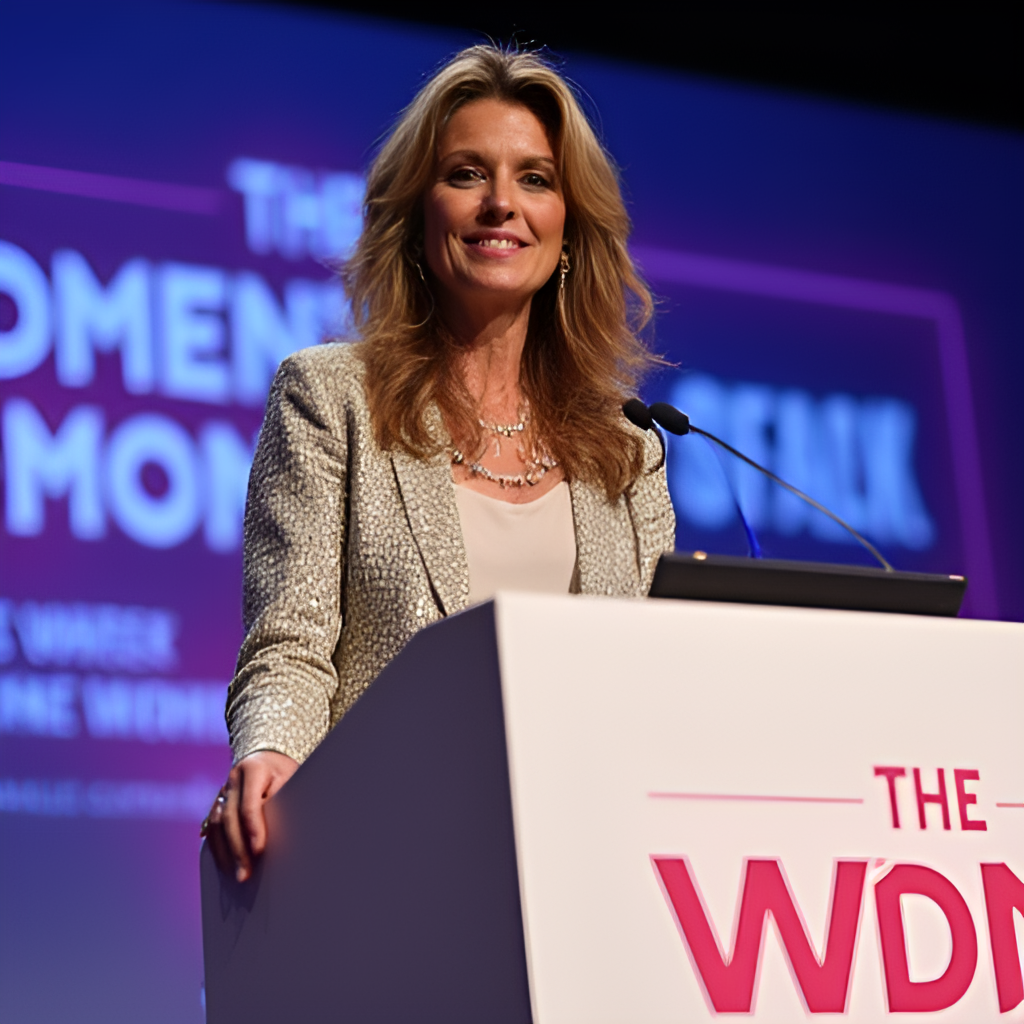
This image is a fictional image generated by GlobalTrendHub.
Perhaps one of the most personal and impactful areas of Maria Shriver’s work is her fierce advocacy for Alzheimer’s awareness and research, especially concerning women. Her father, Sargent Shriver, was diagnosed with Alzheimer’s in 2003, which propelled her into this fight. She quickly recognized the disproportionate impact of the disease on women – who constitute two-thirds of all Alzheimer’s cases – a fact that was not widely known or discussed.
Shriver has used her platform tirelessly to highlight this critical issue. She founded The Women’s Alzheimer’s Movement (WAM), a non-profit dedicated to funding gender-based research and raising awareness. WAM has funded millions of dollars in research projects aimed at understanding why Alzheimer’s affects more women and finding effective prevention and treatment methods. I’ve seen her speak passionately about this cause, sharing her family’s experience to underscore the human toll of the disease. She was also the executive producer of the Emmy-winning HBO documentary series, “The Alzheimer’s Project,” which offered a poignant look at the science, patients, and families affected.
In a significant move, WAM partnered with the Cleveland Clinic to open the world’s first Alzheimer’s disease prevention center specifically for women in Las Vegas. This partnership, which became WAM at Cleveland Clinic, focuses on prevention, research, education, and advocacy, marking a critical step in addressing the unique risks women face. Her ongoing role as a strategic advisor on women’s health and Alzheimer’s at Cleveland Clinic further solidifies her commitment.
Throughout her diverse career, Maria Shriver has consistently championed the idea of being an “Architect of Change.” This philosophy, which is also the name of a section on her website and an event series, encourages individuals to identify problems in their lives or communities and actively work to create solutions. It’s a powerful message about personal agency and collective impact. Her own life trajectory certainly embodies this principle – seeing a need (whether in journalism, public service, or health advocacy) and building initiatives to address it. It’s inspiring to see someone leverage their influence not just for personal gain, but to empower others and tackle systemic issues. This concept of being an ‘Architect of Change’ really resonates with me; it suggests that we don’t have to wait for permission to make a difference.
Beyond her television work and advocacy, Maria Shriver is a prolific author, with several books gracing the New York Times bestseller list. Her writing often focuses on themes of self-reflection, purpose, and navigating life’s transitions. Titles like “Ten Things I Wish I’d Known Before I Went Out Into The Real World,” “Just Who Will You Be?,” and “I’ve Been Thinking…” offer guidance and inspiration drawn from her own experiences and observations.
She has also used her writing to address important social issues, as seen in “The Shriver Report” series. These reports delve into seismic shifts in American society, covering topics like women as primary caregivers, the disproportionate impact of Alzheimer’s on women, and the changing face of poverty. Her media company, Shriver Media, continues to produce content across various platforms, including documentaries, digital series, and her newsletter, The Sunday Paper, which aims to provide a “roadmap to living life Above the Noise.”

This image is a fictional image generated by GlobalTrendHub.
While much of Maria Shriver’s life has been lived in the public eye, she has also shared personal reflections, offering glimpses into the challenges and lessons learned along the way. Being part of the Kennedy family and later married to a global celebrity and politician meant living under intense scrutiny. Her experience transitioning from an independent journalist to First Lady, as she shared on LeanIn.org, involved significant personal adjustment and finding a new sense of purpose within an unexpected role. Her openness about these transitions and her focus on finding meaning resonate with many people navigating their own life changes.
Her long-standing friendship with Oprah Winfrey, which began when they worked together early in their careers, is another aspect of her personal life that has been publicly shared, highlighting the importance of lasting connections and mutual support, even amidst demanding public lives.
In conclusion, Maria Shriver’s career is a testament to the power of adaptability, curiosity, and a deep commitment to public service and advocacy. From her early days as a journalist covering major events to her transformative work as First Lady and her ongoing fight against Alzheimer’s, Shriver has consistently used her voice and resources to make a difference. The life and career of Maria Shriver serve as an inspiring example of how one person can impact multiple fields and champion critical causes. Her dedication to empowering women and shedding light on overlooked issues like women and Alzheimer’s continues to drive significant progress. Maria Shriver’s enduring influence lies not just in her achievements across various sectors, but in her philosophy of encouraging everyone to be an Architect of Change in their own lives and communities.
Here are a couple of external resources if you’d like to learn more:
- The Women’s Alzheimer’s Movement (WAM): Learn more about Maria Shriver’s organization dedicated to women and Alzheimer’s.
- The Sunday Paper: Explore Maria Shriver’s weekly newsletter for inspiration and a roadmap to living a meaningful life.
Looking to explore more about the topics mentioned? You can search for more information on our site.