
In a stunning and historic development, South Korea’s Constitutional Court delivered a landmark ruling today, April 4, 2025, upholding the impeachment of President Yoon Suk Yeol. This decision immediately removes him from office and plunges the nation into a period of significant political transition. The ruling marks the culmination of months of political turmoil following the President’s controversial declaration of martial law late last year. Understanding the background, the court’s reasoning, and the path forward is crucial as this event reshapes South Korea politics.
The core issue leading to this outcome was the unprecedented declaration of emergency martial law by President Yoon in December 2024. This move, ostensibly aimed at countering specific threats cited by the government, was met with widespread public outcry, political condemnation, and legal challenges, seen by many as a severe overreach of executive power and a threat to Korean democracy. The National Assembly moved swiftly, voting overwhelmingly to impeach the President, thereby suspending his powers and sending the case to the Constitutional Court for a final decision. Today’s verdict, where the Yoon Suk Yeol impeachment upheld, validates the legislature’s concerns.
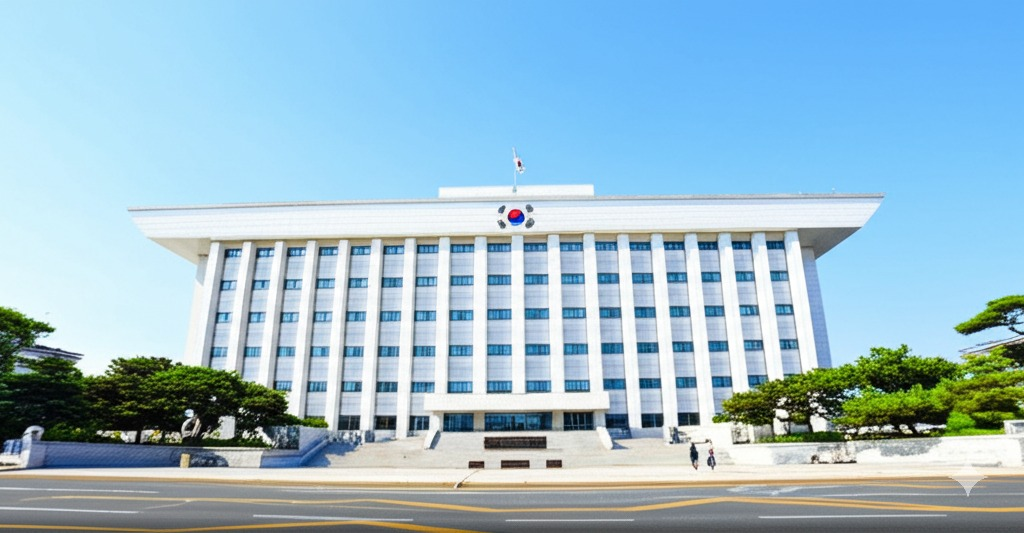
The Path to Impeachment: Martial Law and Political Backlash
The saga began in December 2024 when President Yoon Suk Yeol declared emergency martial law, deploying troops in Seoul and imposing restrictions on civil liberties. The justification provided – often linked to national security concerns – failed to convince a large segment of the public and the political opposition. Critics argued the declaration lacked sufficient grounds, bypassed necessary procedures, and posed a direct challenge to the country’s democratic institutions. You can find more context on the initial events from international news outlets like Reuters.
The backlash was immediate and intense. Protests erupted, and the National Assembly, where opposition parties held a majority, quickly coalesced to initiate impeachment proceedings. The impeachment motion cited grave violations of the Constitution and laws related to the martial law South Korea declaration. The successful vote in the Assembly suspended President Yoon’s presidential duties, pending the Constitutional Court’s review – a process that has now concluded with his permanent removal from office.
The Constitutional Court’s Ruling Explained
The Constitutional Court South Korea, after months of deliberation and hearings, found that the President’s actions in declaring martial law constituted significant violations of constitutional principles and legal statutes. While the full reasoning will be detailed in the official written judgment, initial reports indicate the court focused on the lack of clear and present danger justifying such an extreme measure and potential procedural illegalities in its declaration.
The court’s decision to uphold the impeachment signifies that the President’s actions were deemed fundamentally incompatible with his constitutional duties and the democratic order. This ruling is final and cannot be appealed. As a result, Yoon Suk Yeol is immediately stripped of his presidential title and powers, marking a definitive end to his presidency. This is a stark reminder of the checks and balances inherent in Korean democracy.
Immediate Consequences and the Road Ahead
With President Yoon’s removal, the Prime Minister will serve as acting president, ensuring continuity of government administration until a new leader is elected. The most significant consequence is the triggering of an early presidential election. According to the South Korean Constitution, a new presidential election must be held within 60 days of the presidency becoming vacant.
- Snap Election: The nation now braces for a compressed and intense presidential campaign, likely culminating in an election by early June 2025.
- Political Realignment: The impeachment and upcoming election are expected to cause significant shifts within the major political parties, potentially leading to new alliances or internal power struggles.
- Public Sentiment: The nation remains politically charged, and public opinion is likely to be volatile as campaigning begins. Healing divisions will be a major challenge for the next leader. You can explore more about potential election dynamics in our upcoming analysis.
This period signifies considerable political turmoil South Korea hasn’t seen since the last presidential impeachment.
Historical Significance: A Second Presidential Impeachment
The upholding of Yoon Suk Yeol’s impeachment marks the second time in South Korea’s history that a sitting president has been removed from office through this constitutional process. The first instance was the impeachment of President Park Geun-hye in 2017 over a corruption scandal. (Council on Foreign Relations offers historical context on South Korean political events).
While the circumstances differ, both cases underscore the strength and resilience of South Korea’s democratic institutions and the Constitutional Court’s role as a guardian of the constitution. The fact that the Yoon Suk Yeol impeachment upheld demonstrates that even the highest office is subject to legal and constitutional accountability.
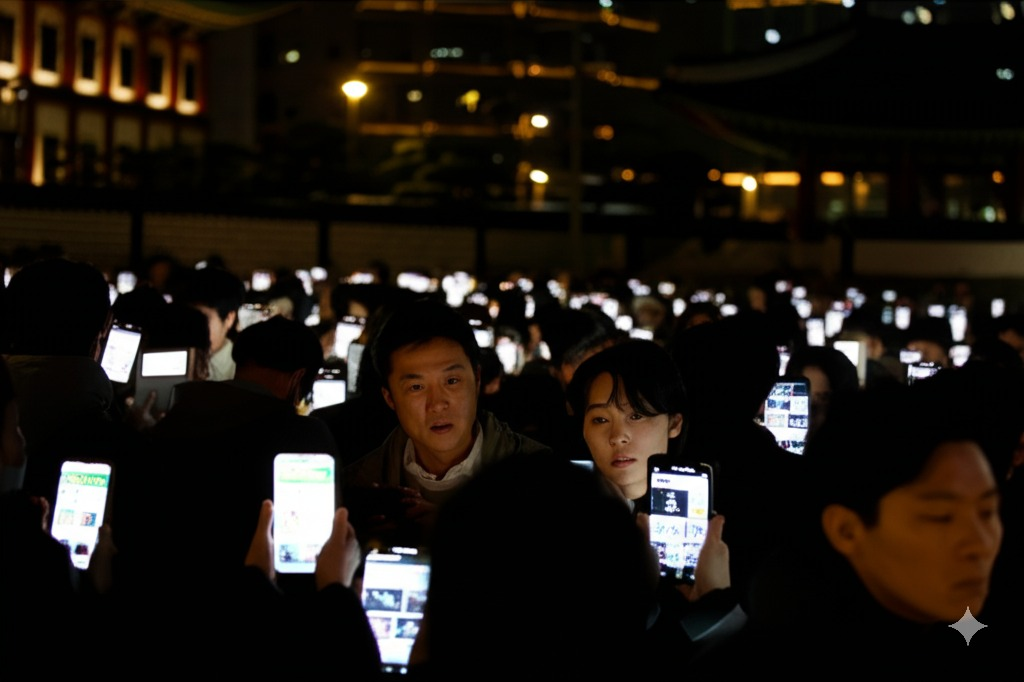
Navigating Uncertainty: South Korea at a Crossroads
The Constitutional Court’s decision to uphold the impeachment of President Yoon Suk Yeol is a watershed moment for South Korea. It closes a chapter of intense political crisis ignited by the martial law South Korea declaration but opens a new one filled with the uncertainty of an impending early presidential election and the challenge of national reconciliation.
As the country prepares for a swift electoral contest, the focus will be on how political actors and the public navigate this transition. The resilience of Korean democracy has been tested and affirmed, but the path forward requires careful navigation to restore stability and public trust. Observing the upcoming campaigns and the eventual outcome will be critical for understanding the future direction of South Korea politics. For further insights into democratic processes, consider reading about global democratic trends.