
The cryptocurrency market has always been a fertile ground for innovation, but it also harbors risks that investors must navigate carefully. In 2025, Reddit’s r/CryptoCurrency is buzzing with discussions about the growing prevalence of pump-and-dump schemes aided by advanced AI tools. This alarming trend has sparked debates about market integrity and the future of decentralized finance.
The Rise of AI in Crypto Fraud
Artificial intelligence has revolutionized many industries, including finance. However, its adoption in cryptocurrency trading has not been entirely positive. AI-powered tools are increasingly being used to manipulate market dynamics, making pump-and-dump schemes more efficient and harder to detect.
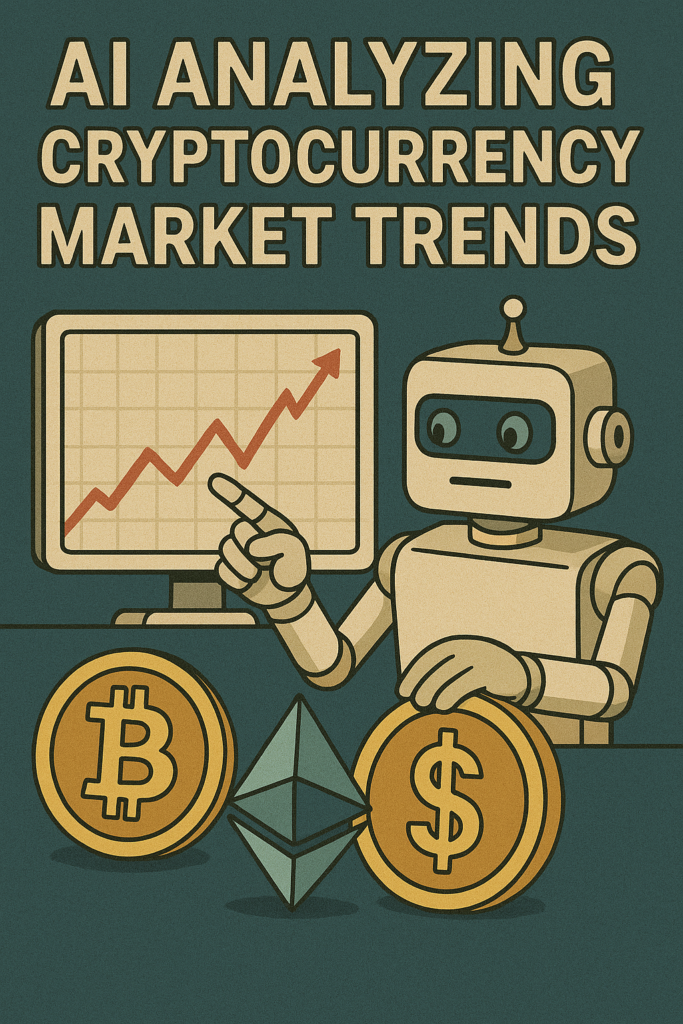
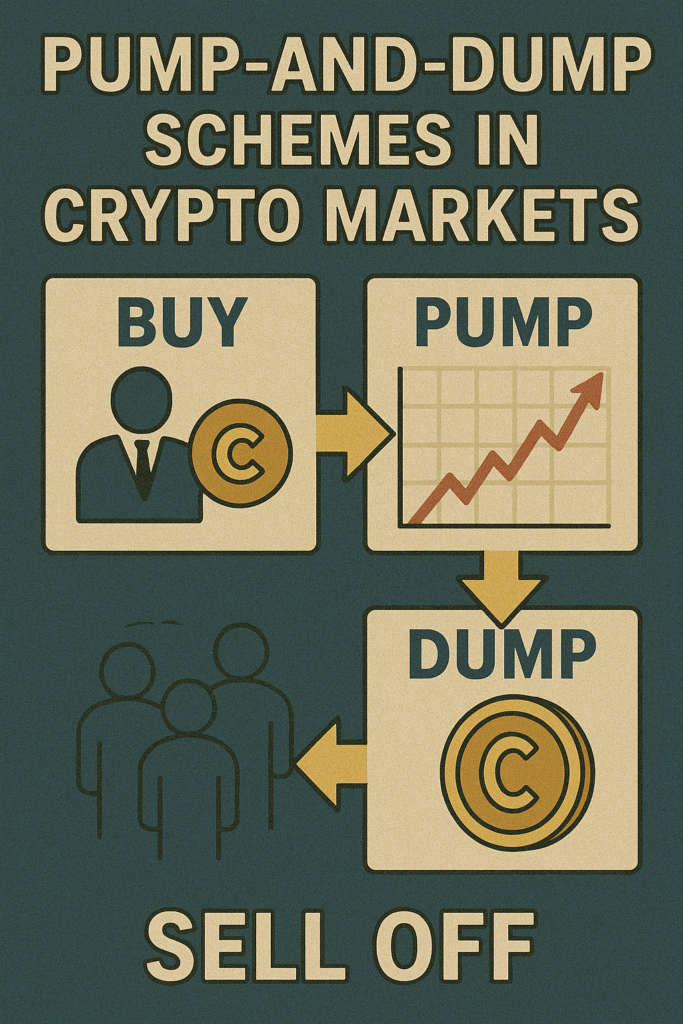
These schemes typically involve artificially inflating the price of a cryptocurrency through coordinated buying and misleading hype, only to sell off holdings at a profit, leaving unsuspecting investors with significant losses. With AI, fraudsters can analyze market trends, create convincing fake news, and automate the manipulation process on a scale previously unimaginable.
How Pump-and-Dump Schemes Work
Pump-and-dump schemes rely on several tactics to lure investors:
- Social Media Campaigns: Fraudsters use platforms like Reddit, Twitter, and Telegram to generate excitement around a particular coin.
- Fake News: AI tools can create realistic articles or posts that falsely claim partnerships or technological breakthroughs.
- Automated Trading: Bots execute trades to simulate organic demand, further driving up prices.
The result is a temporary price spike that attracts retail investors hoping to capitalize on the growth. Once the fraudsters sell their holdings, the price plummets, leaving others with losses.
The Impact on Market Integrity
The increasing sophistication of pump-and-dump schemes poses a significant threat to the cryptocurrency market. These activities undermine investor confidence and deter institutional players from entering the space. Moreover, they contradict the ethos of decentralization and transparency that cryptocurrencies were built upon.
Experts warn that if left unchecked, these fraudulent practices could stifle innovation and slow down adoption rates. Regulatory bodies are beginning to take notice, but enforcement remains challenging due to the decentralized nature of blockchain technology.
Protecting Yourself as an Investor
To avoid falling victim to pump-and-dump schemes, investors should adopt cautious strategies:
- Do Your Own Research (DYOR): Verify claims about partnerships or technological advancements before investing.
- Avoid FOMO: Fear of missing out can lead to impulsive decisions. Stick to your investment plan.
- Monitor Market Activity: Sudden price spikes without clear reasons are often red flags.
- Diversify Your Portfolio: Spread your investments across multiple assets to minimize risk.
The Role of Regulation and Community Vigilance
The fight against pump-and-dump schemes requires collective effort from regulators, exchanges, and the crypto community. Exchanges must implement stricter monitoring systems to detect suspicious activities early. Meanwhile, community members should report fraudulent posts and educate others about potential risks.
content-image3
On the regulatory front, governments are exploring ways to enforce anti-fraud measures without stifling innovation. Balancing oversight with the principles of decentralization remains a complex challenge.
Conclusion: Navigating Crypto’s Evolving Landscape
The emergence of AI-driven pump-and-dump schemes highlights the need for vigilance in the cryptocurrency market. While decentralization offers freedom and innovation, it also requires responsibility from all participants—investors, developers, and regulators alike.
As technology continues to evolve, staying informed and cautious will be crucial for navigating this dynamic landscape safely. The crypto community must work together to uphold transparency and trust in 2025 and beyond.