
- Introduction: Embracing the Shift in Style
- What’s Driving the Momentum Behind Sustainable Fashion?
- Eco-Friendly Fabric Innovations Leading the Charge
- The Rise of Circular Fashion: Beyond Recycling
- How Technology is Weaving Sustainability into Fashion
- Your Role: Powering Change with Conscious Choices
- Navigating the Challenges: Honesty in Green Fashion
- Conclusion: Weaving a Better Future with Sustainable Fashion Trends 2025
Introduction: Embracing the Shift in Style
The sustainable fashion trends 2025 represent more than just fleeting styles; they signify a fundamental shift in how we produce, consume, and think about clothing. For years, I’ve watched the fashion industry grapple with its environmental impact, and honestly, the progress felt slow. But now? There’s a palpable energy, a growing wave of innovation and consumer demand that’s genuinely reshaping the landscape. It’s not just about looking good anymore; it’s about feeling good knowing our choices don’t cost the Earth. Are you ready to explore what’s defining ethical and eco-conscious style this year and beyond?
This movement isn’t just a niche concern; it’s rapidly becoming mainstream. From major fashion houses to indie designers, the pressure is on to adopt greener practices. We’re seeing a fascinating blend of high-tech solutions and rediscovered traditional techniques, all aimed at reducing waste, conserving resources, and ensuring fair labor practices. It’s an exciting time, witnessing creativity flourish within these necessary constraints.
What’s Driving the Momentum Behind Sustainable Fashion?
So, what’s fueling this significant shift? It’s a confluence of factors. Firstly, consumer awareness has skyrocketed. Documentaries exposing the harsh realities of fast fashion, coupled with increased media coverage on environmental issues like water pollution from dyes and microplastic shedding, have hit home for many. People, especially younger generations (Gen Z and Millennials are really leading the charge here!), are demanding transparency and accountability from brands. They’re asking tough questions: Who made my clothes? What are they made of? What happens when I’m done with them?
Secondly, regulatory pressures are mounting globally. Governments are implementing stricter environmental regulations regarding chemical use, waste management, and carbon emissions. Initiatives like the EU Strategy for Sustainable and Circular Textiles are setting clear targets, pushing companies to innovate or risk being left behind. This legislative push provides a framework and incentives for brands to invest in sustainability.
Lastly, there’s a growing recognition within the industry itself that the old linear model – take, make, dispose – is simply unsustainable, both environmentally and economically. Resource scarcity, volatile supply chains, and reputational risks associated with unethical practices are forcing brands to rethink their entire business model. Investors are also increasingly factoring Environmental, Social, and Governance (ESG) criteria into their decisions, further incentivizing change. It’s like the industry finally got the memo: sustainability isn’t just good PR; it’s good business.
Eco-Friendly Fabric Innovations Leading the Charge
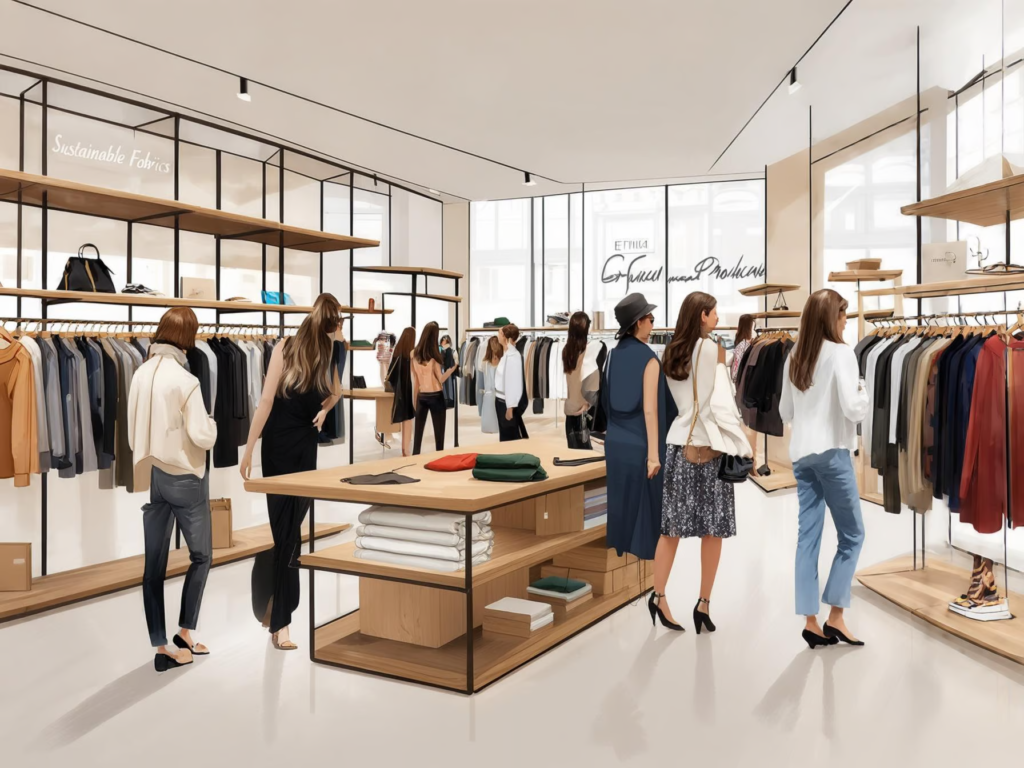
One of the most exciting areas within sustainable fashion is textile innovation. We’re moving beyond just organic cotton (which is great, but resource-intensive) to explore a whole new world of materials. Think fabrics derived from food waste, like Piñatex (from pineapple leaf fibers) or Orange Fiber (from citrus juice byproducts). These aren’t just novelties; they represent a serious move towards a circular economy where waste becomes a resource.
Recycled materials are also hitting the big time. Recycled polyester (rPET), often made from plastic bottles, is common, but innovations are happening fast. Brands are increasingly using recycled cotton, wool, and even complex blends, tackling the massive problem of post-consumer textile waste. I recently invested in a jacket made from recycled fishing nets – it feels fantastic and carries a powerful story!
Beyond recycling, we’re seeing advancements in bio-based synthetics and cellulosics. TENCEL™ (Lyocell) and Modal, derived from sustainably managed wood pulp using closed-loop processes that recycle water and solvents, offer silk-like softness with a much lower environmental footprint than conventional viscose. And keep an eye on lab-grown materials – while still early days, innovations in bio-fabricated leather and silk alternatives (grown using yeast or bacteria!) promise materials decoupled from traditional agriculture altogether. These fabric advancements are crucial pillars of the sustainable fashion trends 2025.
- Plant-Based Wonders: Pineapple leaves (Piñatex), mushroom roots (Mylo), orange peels (Orange Fiber), cactus leather (Desserto).
- Recycled Heroes: rPET, recycled cotton, recycled wool, regenerated nylon (ECONYL®).
- Low-Impact Cellulosics: TENCEL™ Lyocell/Modal, Refibra™.
- Emerging Biotech: Lab-grown leather alternatives, bio-engineered silks.
The Rise of Circular Fashion: Beyond Recycling
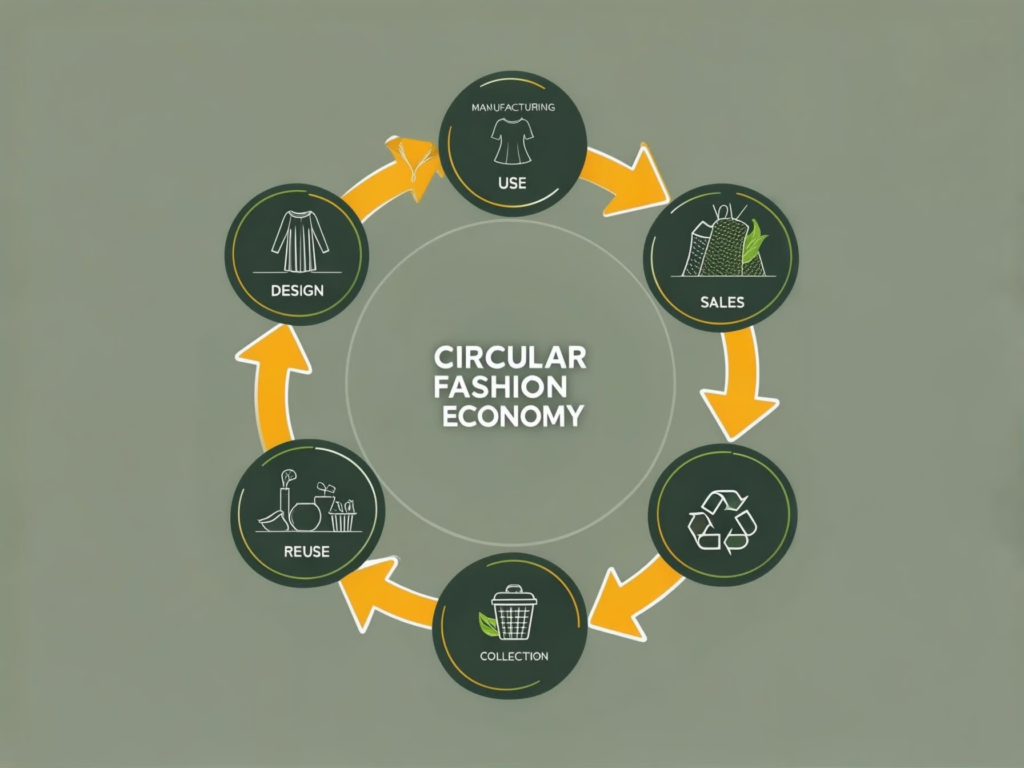
Circularity is perhaps the most transformative concept shaping sustainable fashion today. It’s about designing out waste and pollution, keeping products and materials in use for as long as possible, and regenerating natural systems. This goes way beyond just recycling textiles at the end of their life (though that’s important too!).
We’re seeing this manifest in several ways:
- Design for Durability & Repairability: Brands are focusing on creating high-quality garments meant to last. Some are even offering repair services – think Patagonia’s Worn Wear program. This shift towards “slow fashion” encourages consumers to buy less but buy better. My own experience learning basic mending skills (thanks, YouTube!) has been surprisingly empowering and extended the life of several favorite pieces.
- Resale & Rental Models: The secondhand market is booming, facilitated by platforms like Depop, Vinted, and The RealReal. Brands are also launching their own resale channels or partnering with existing platforms. Rental services, particularly for occasion wear, offer access to variety without ownership, reducing overall consumption.
- Take-Back & Recycling Programs: More brands are implementing systems to collect used garments, ensuring they are either resold, repaired, upcycled, or properly recycled into new fibers. This closes the loop, turning old clothes back into raw materials.
- Upcycling & Remanufacturing: Creative designers are transforming pre-consumer (factory scraps) and post-consumer waste into unique, high-value pieces. This isn’t just patchwork; it’s sophisticated design that celebrates resourcefulness.
Implementing true circularity is complex, requiring collaboration across the supply chain, but its potential to reduce fashion’s footprint is immense. It requires a mindset shift – viewing clothing not as disposable but as a valuable resource.
How Technology is Weaving Sustainability into Fashion
Technology plays a crucial role in enabling and accelerating sustainable practices. Digital passports or blockchain technology, for instance, can provide unprecedented transparency, allowing consumers (and regulators) to trace a garment’s journey from raw material to finished product. Imagine scanning a QR code and seeing exactly where the cotton was grown, which factory dyed it, and the carbon footprint of its transport – that’s becoming a reality.
AI and data analytics are optimizing supply chains to reduce waste, predict demand more accurately (minimizing overproduction), and even assist in designing garments for easier disassembly and recycling. 3D design and virtual prototyping reduce the need for physical samples, saving materials and energy. On the manufacturing side, innovations like waterless dyeing techniques and precision laser cutting minimize resource consumption.
Furthermore, technology powers many of the circular models we discussed. Online resale platforms, rental logistics software, and advanced sorting technologies for textile recycling all rely on digital infrastructure. Tech isn’t a silver bullet, but it’s a powerful enabler for scaling sustainable solutions across the global fashion industry.
Your Role: Powering Change with Conscious Choices
While brands and technology are critical, the power of the consumer cannot be overstated. Our choices send strong signals to the industry about what we value. Embracing conscious consumerism doesn’t mean sacrificing style; it means being more intentional.
How can you participate?
- Ask Questions: Use tools like the Good On You app or simply check brand websites for sustainability reports and certifications (like Fair Trade, GOTS, B Corp). Don’t be afraid to ask brands directly about their practices using social media.
- Buy Less, Choose Well: Invest in versatile, high-quality pieces you’ll wear for years. Consider cost-per-wear rather than just the initial price tag. Building a capsule wardrobe can be a great start.
- Care For Your Clothes: Simple things like washing less often, using cold water, air drying, and learning basic repairs (Fashion Revolution has great resources) can drastically extend the life of your garments.
- Embrace Secondhand & Rental: Explore thrift stores, consignment shops, and online resale platforms. Rent outfits for special occasions. It’s often cheaper and always more sustainable.
- Support Sustainable Brands: When buying new, prioritize brands genuinely committed to ethical and environmental practices. Look for transparency and tangible actions.
It’s not about perfection; it’s about progress. Every conscious choice contributes to the collective shift towards a more sustainable fashion future. I find that focusing on one area at a time – maybe starting with exploring secondhand options or learning to mend – makes it feel less overwhelming.
Navigating the Challenges: Honesty in Green Fashion
Despite the positive momentum, challenges remain. “Greenwashing” – where brands exaggerate or mislead consumers about their sustainability efforts – is a significant issue. Vague claims like “eco-friendly” or “conscious” without specific evidence should raise red flags. Lack of standardized metrics and definitions makes it difficult for consumers to compare brands accurately.
Scaling innovative materials and circular systems requires massive investment and infrastructure changes. Recycling blended fabrics remains technically challenging. Ensuring fair labor practices throughout complex, global supply chains requires constant vigilance and transparency, which isn’t always easy to achieve.
Addressing these challenges requires collaboration between brands, policymakers, innovators, and consumers. We need greater transparency, robust certification systems (like those offered by Textile Exchange), investment in R&D, and continued consumer demand for genuine change. It’s crucial to remain critical but also to celebrate the real progress being made as part of the ongoing sustainable fashion trends 2025 narrative.

Conclusion: Weaving a Better Future with Sustainable Fashion Trends 2025
The sustainable fashion trends 2025 paint a hopeful picture of an industry in transformation. Driven by conscious consumers, regulatory shifts, and technological innovation, fashion is increasingly embracing eco-friendly materials, circular models, and greater transparency. From pineapple leather to AI-optimized supply chains, the creativity sparked by the need for sustainability is truly inspiring. As someone who loves fashion but cares deeply about our planet, witnessing this evolution firsthand feels significant – like we’re finally turning a corner.
While challenges like greenwashing and scaling solutions persist, the direction of travel is clear. The future of fashion lies in balancing aesthetics with ethics, style with substance. By making informed choices, caring for our clothes, and demanding accountability, we all play a part in weaving a more sustainable and equitable future for the industry and the planet. Let’s continue to support and champion the brands and practices that are genuinely making a difference.