
- Introduction: The Uncanny Valley Gets Crowded
- What Exactly Are These AI Influencers?
- Fueling the Trend: Why AI Influencers Now?
- The Allure: Why Brands Are Tuning In
- Navigating the Murky Waters: Ethics and Authenticity
- Real Talk: What People Online *Actually* Think
- Where Do We Go From Here? The Future of AI Influencers
- Conclusion: Embracing or Rejecting Our Digital Creations?
Introduction: The Uncanny Valley Gets Crowded
AI influencers are suddenly everywhere, it seems – flooding social media feeds with impossibly perfect visuals and curated personalities, and frankly, it’s sparking some intense debate online. If you’ve scrolled through Instagram or TikTok lately, you might have stumbled upon profiles like Lil Miquela or Shudu Gram and done a double-take. Are they real? Almost. They represent a fascinating, and slightly unsettling, convergence of artificial intelligence, CGI, and social media marketing that’s moved from niche experiment to a rapidly growing trend discussed heavily on platforms like Reddit’s r/artificial and tech forums. It makes you wonder, doesn’t it? What happens when the line between real and digitally crafted personas becomes almost invisible?
I’ve been following this phenomenon closely, not just as a tech enthusiast but also as someone fascinated by online culture. The speed at which these virtual beings are gaining followers, securing brand deals, and generating engagement is remarkable. But beneath the glossy surface lie complex questions about authenticity, transparency, and the very nature of influence in our increasingly digital world. Let’s unpack this trend that’s got everyone talking.
What Exactly Are These AI Influencers?
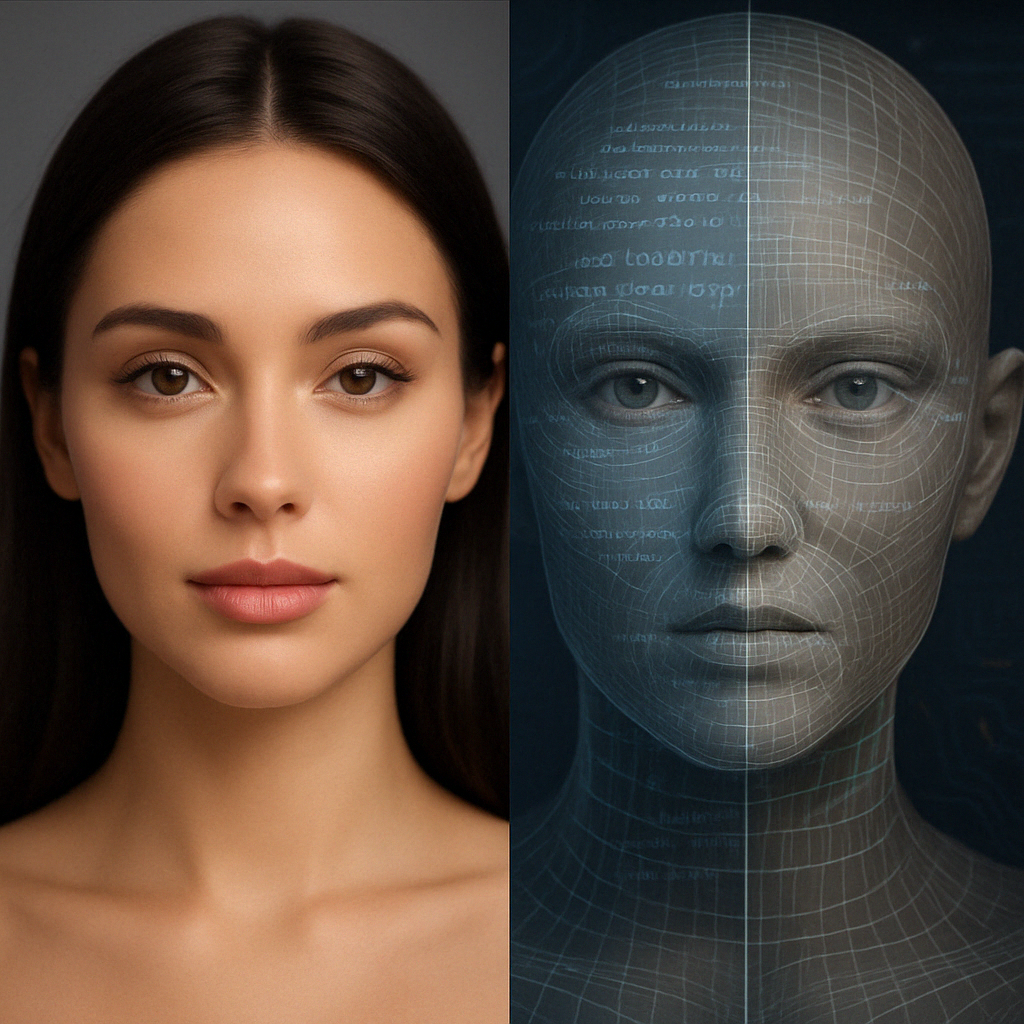
So, what distinguishes an AI influencer from, say, a cartoon character or a brand mascot? These aren’t just static images; they are dynamic digital personas crafted using a blend of technologies. Typically, this involves:
- CGI (Computer-Generated Imagery): Skilled digital artists create hyper-realistic (or sometimes stylized) 3D models.
- Artificial Intelligence (AI): AI algorithms might be used to generate storylines, write captions, respond to comments (often with human oversight), analyze trends, or even help define the influencer’s “personality” and interests based on engagement data.
- Human Teams: Behind every successful AI influencer is a team of writers, marketers, strategists, and artists who manage the persona, broker deals, and craft the narrative. It’s a collaborative effort between human creativity and technological tools.
Think of them as fictional characters brought to life with advanced tech, designed specifically for the social media age. They have backstories, opinions (curated, of course), virtual friends, and participate in trends just like human influencers. Some, like Lil Miquela, even “release” music and engage in virtual activism. It’s a sophisticated puppet show playing out on a global stage.
Fueling the Trend: Why AI Influencers Now?
While virtual influencers aren’t brand new (Lil Miquela launched back in 2016), their recent surge in prominence and the surrounding discussion seem fueled by several factors converging:
- Advancements in Tech: Both CGI realism and the capabilities of generative AI (like text and image generation) have taken massive leaps. Creating and maintaining these personas is becoming more accessible and convincing. We’re seeing tools emerge that lower the barrier to entry.
- Brand Hunger for Control & Novelty: Brands are attracted to the control AI influencers offer. They don’t have real-world scandals (unless programmed!), demand less C-suite hand-holding, are available 24/7, and offer a novel way to capture audience attention in a saturated market. Their “otherness” is, ironically, a selling point right now.
- Shifting Audience Perceptions: Younger audiences, particularly Gen Z, grew up online and may have a different relationship with digital personas and authenticity. There seems to be a greater willingness, or at least curiosity, to engage with virtual characters as long as they are entertaining or relatable. The discussion on Reddit often highlights this generational difference in acceptance.
- The Metaverse Hype (and subsequent recalibration): While the full-blown metaverse hasn’t materialized as predicted, the buzz around it primed audiences and brands to think more about virtual identities and digital spaces, creating fertile ground for AI influencers.
It feels like a perfect storm of technological feasibility, market demand, and evolving audience attitudes. I personally think the rapid improvement in generative AI art tools has played a huge role in the *visual* proliferation we’re seeing lately.
The Allure: Why Brands Are Tuning In
From a brand perspective, the appeal is undeniable, though not without its complexities. The primary draw is control. AI influencers are meticulously crafted brand assets. Their messaging can be perfectly aligned, their availability is constant, and the risk of unpredictable human behavior (scandals, controversial statements) is eliminated. They can be tailored to specific demographics and markets with precision.
There’s also the novelty factor. Partnering with an AI influencer generates buzz and positions a brand as forward-thinking and tech-savvy. It cuts through the noise. Furthermore, these virtual beings can “travel” anywhere instantly, “wear” digital fashion that doesn’t yet physically exist, and participate in campaigns that might be logistically impossible or prohibitively expensive for human counterparts. Think virtual photoshoots on Mars – easy peasy for an AI.
Some proponents argue they offer consistency and longevity. A human influencer ages, changes interests, or might switch allegiances. An AI influencer’s core persona can remain consistent indefinitely, managed by the agency or brand behind them. This predictability is gold in marketing. We’re talking potential cost savings too, eventually – though the initial creation and maintenance can be resource-intensive right now.
Navigating the Murky Waters: Ethics and Authenticity
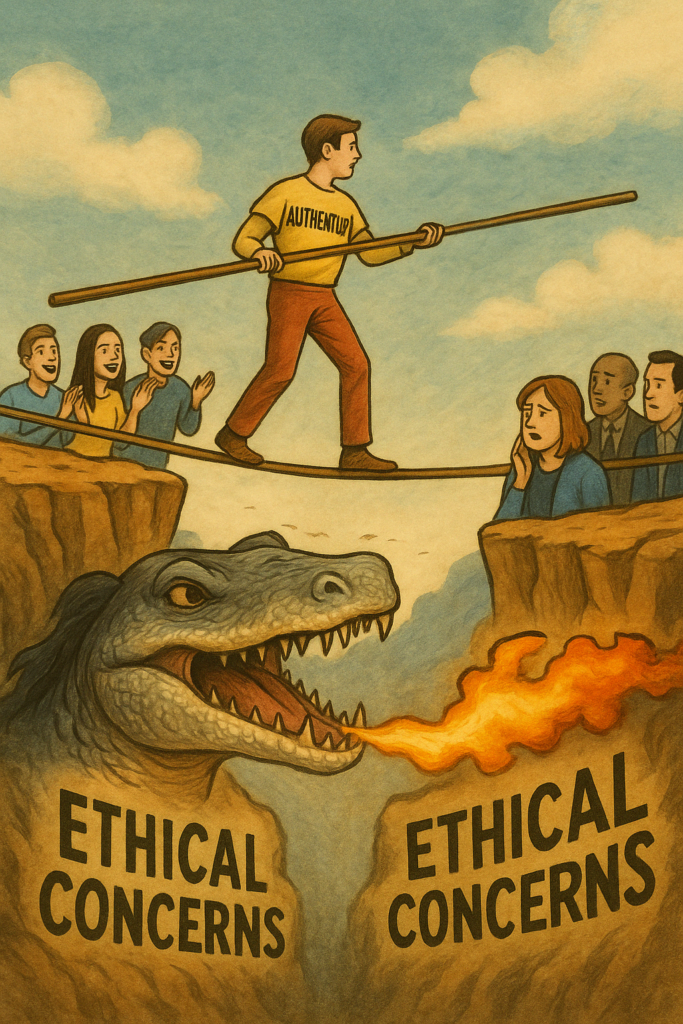
Okay, let’s get real – this is where the conversation gets heated, and where my own skepticism kicks in. The rise of AI influencers throws up a minefield of ethical concerns. Chief among them is transparency and deception. While some creators are open about their virtual nature, others are more ambiguous, potentially misleading followers. Should there be mandatory disclosure? How clear does it need to be? The FTC guidelines on endorsements apply, but the lines blur with entirely fictional beings.
Then there’s the issue of unrealistic standards. Human influencers already face criticism for promoting unattainable beauty and lifestyle ideals. AI influencers can take this to an extreme – they are literally designed perfection, potentially exacerbating body image issues and anxiety among followers who compare themselves. It’s Photoshopping on steroids, built from the ground up.
What about cultural appropriation or representation? When teams create AI influencers of diverse backgrounds, are they genuinely promoting diversity, or is it a form of digital blackface or tokenism if not handled with extreme sensitivity and ideally, input from the communities they aim to represent? This is a recurring point of contention in online discussions.
And perhaps the most profound question: what does it mean for authenticity in human connection? If we start forming parasocial relationships with code and pixels designed to mimic empathy, what does that do to our expectations of real relationships? It’s a question being actively debated in communities exploring the future of social interaction.
Real Talk: What People Online *Actually* Think
Dive into Reddit threads (like r/virtualinfluencers or discussions on r/technology) or Twitter debates, and you’ll find a fascinating spectrum of opinions.
- The Curious & Entertained: Many users are simply fascinated by the technology and artistry. They follow AI influencers out of novelty, enjoying the storylines and visuals as a form of digital entertainment, much like following a fictional character in a TV show.
- The Skeptics & Critics: A large segment expresses concern about the ethical implications mentioned above – deception, unrealistic standards, and the potential impact on mental health. They question the “point” of following something not real and worry about the commercialization of relationships.
- The Indifferent: Some see them as just another form of advertising, no different from a cartoon mascot, and don’t engage deeply either way. “It’s just code,” is a common sentiment.
- The Tech Enthusiasts: Others focus on the technological achievement, discussing the rendering techniques, the AI behind the interactions, and the potential for future applications beyond influencing.
My takeaway from monitoring these discussions? There’s no consensus. People are intrigued, amused, worried, and critical, often all at the same time. The strongest negative reactions often center on the lack of transparency and the potential for manipulation, especially when AI influencers promote products or ideologies.
Where Do We Go From Here? The Future of AI Influencers
This trend isn’t likely to disappear. We can expect AI influencers to become even more sophisticated, interactive, and integrated into various platforms. We might see:
- Greater Personalization: AI allowing influencers to tailor interactions more specifically to individual followers.
- Real-time Interaction: Moving beyond pre-scripted posts to more dynamic, AI-driven conversations (though genuine consciousness is still sci-fi).
- Niche Influencers: AI personas created for very specific interests or communities.
- Platform Integration: Virtual influencers potentially becoming guides or personalities within gaming platforms, VR environments, or even OS interfaces.
- Regulation & Disclosure Standards: Increased pressure for clear labeling and ethical guidelines as the tech becomes more mainstream.
The big question mark hangs over long-term audience engagement. Will the novelty wear off? Or will AI influencers carve out a permanent niche in the digital landscape, coexisting alongside their human counterparts?
Conclusion: Embracing or Rejecting Our Digital Creations?
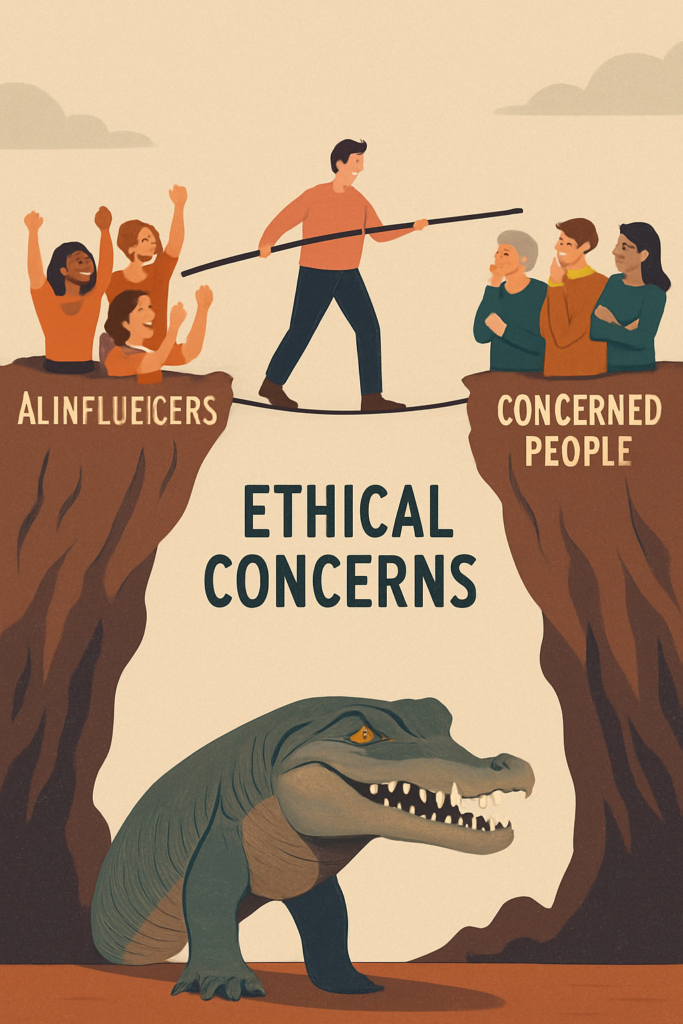
The rise of AI influencers is more than just a fleeting digital fad; it’s a reflection of our rapidly evolving relationship with technology, identity, and reality itself. These virtual personalities challenge our notions of authenticity and force us to confront uncomfortable questions about the future of online interaction and marketing. While the technological prowess behind them is undeniably impressive, the ethical considerations – transparency, impact on self-esteem, potential for manipulation – cannot be ignored.
Personally, I land somewhere between fascination and deep concern. It’s crucial that we, as users and consumers, remain critical, demand transparency, and engage in open conversations about the implications of these technologies. Whether AI influencers become a truly integrated part of our social fabric or remain a controversial curiosity likely depends on how ethically they are developed and deployed, and how discerning we choose to be. One thing’s for sure: the uncanny valley is getting awfully crowded, and we need to decide how we want to navigate it.