
- Introduction: Decoding the Rise of Online Money Advice
- Who Exactly Are These Finfluencers?
- Why Are Finfluencers Suddenly Everywhere?
- Can Finfluencers Actually Help Your Finances?
- Warning Signs: The Dark Side of Finfluencers
- Your BS Detector: Identifying Questionable Advice
- What the Internet Really Thinks: Community Reactions
- The Road Ahead: Regulation and the Future of Finfluencers
- Conclusion: Empowering Yourself in the Age of Finfluencers
Introduction: Decoding the Rise of Online Money Advice
Finfluencers, or financial influencers, have exploded onto the social media scene, offering slick, bite-sized money advice on platforms like TikTok, YouTube, and Instagram, and honestly, their reach is staggering. One minute you’re scrolling through dance challenges, the next you’re getting hot stock tips or crypto secrets delivered in 60 seconds. As someone who’s navigated the often-stuffy world of traditional finance, I find this democratization of financial information fascinating, but also deeply concerning. How did these online personalities become go-to sources for money matters, and more importantly, can you actually trust them with your financial future?
It’s a trend fueled by a desire for accessible knowledge, particularly among younger generations who may feel locked out of traditional financial institutions. These creators often speak a language that resonates – informal, relatable, and visually engaging. But beneath the veneer of easy money and quick wins lies a landscape fraught with potential pitfalls, from conflicts of interest to outright scams. Let’s dive into the world of these digital money gurus.
Who Exactly Are These Finfluencers?
So, what defines a “finfluencer”? Essentially, they are content creators who leverage their social media presence to share information and opinions about personal finance, investing, cryptocurrency, real estate, budgeting, and other money-related topics. They aren’t typically your traditional, licensed financial advisors (though some may have relevant backgrounds, many don’t). Their influence stems from their follower count and perceived relatability, not necessarily from formal qualifications.
They come in many flavors:
- Stock Pickers & Traders: Sharing tips on specific stocks, often emphasizing short-term gains or “meme stocks.”
- Crypto Evangelists: Promoting specific cryptocurrencies or NFTs, sometimes with overly optimistic projections.
- Budgeting & Saving Coaches: Offering practical tips on managing money, saving aggressively, or getting out of debt. These can often be genuinely helpful.
- Real Estate Gurus: Selling courses or strategies on property investment, flipping houses, or generating passive income through rentals.
- Passive Income & Side Hustle Promoters: Focusing on ways to make money online, often simplifying the effort involved.
Their content format is key: short, punchy videos, eye-catching graphics, and often, a projection of a wealthy or aspirational lifestyle. It’s finance packaged as entertainment and quick solutions.

Why Are Finfluencers Suddenly Everywhere?
Several factors have contributed to this explosive growth:
- Accessibility of Information: Traditional financial advice often feels intimidating, expensive, or jargon-filled. Finfluencers offer seemingly simple answers for free (or at the cost of watching an ad/sponsored post).
- Distrust in Institutions: Events like the 2008 financial crisis and recent market volatility have eroded trust in traditional banks and financial advisors for some, particularly younger people.
- FOMO (Fear Of Missing Out): The rapid rise (and fall) of meme stocks and cryptocurrencies created a sense of urgency. Finfluencers tapped into this, promising viewers they wouldn’t miss the next big thing.
- Engaging Formats: Social media algorithms favor short, engaging content. Finfluencers excel at breaking down complex topics (sometimes oversimplifying them) into easily digestible videos or posts.
- Low Barrier to Entry: Anyone can start sharing financial opinions online. You don’t need a license to call yourself a guru on TikTok. This is both a blessing and a major curse.
I’ve personally seen how quickly a viral TikTok sound can be adapted to “explain” a complex investment strategy – the appeal is the simplicity, but the danger lies in the lack of depth.
Can Finfluencers Actually Help Your Finances?
It’s not all bad. Let’s give credit where it’s due. Some Finfluencers genuinely contribute positively:
- Increased Financial Literacy: They can introduce basic concepts like budgeting, compound interest, or the importance of saving to audiences who might otherwise never engage with the topic. Seeing someone relatable talk about money can be motivating.
- Demystifying Finance: They can break down intimidating jargon and make financial topics seem less scary and more approachable.
- Motivation and Inspiration: Success stories (even curated ones) can inspire people to take control of their finances, pay off debt, or start investing.
- Community Building: Some finfluencers foster supportive communities where people can share tips and encourage each other (though these can also become echo chambers).
- Highlighting Useful Tools: They might introduce helpful budgeting apps or legitimate investment platforms (though always check if it’s a sponsored mention!).
The key lies in creators who focus on foundational principles (saving, budgeting, long-term investing, debt management) rather than promising quick riches or pushing specific, speculative products. I’ve seen some great content explaining Roth IRAs simply – that’s valuable.
Warning Signs: The Dark Side of Finfluencers
This is where we need to be extremely cautious. The potential downsides are significant and frequently discussed in online finance communities like Reddit’s r/personalfinance or Bogleheads forums:
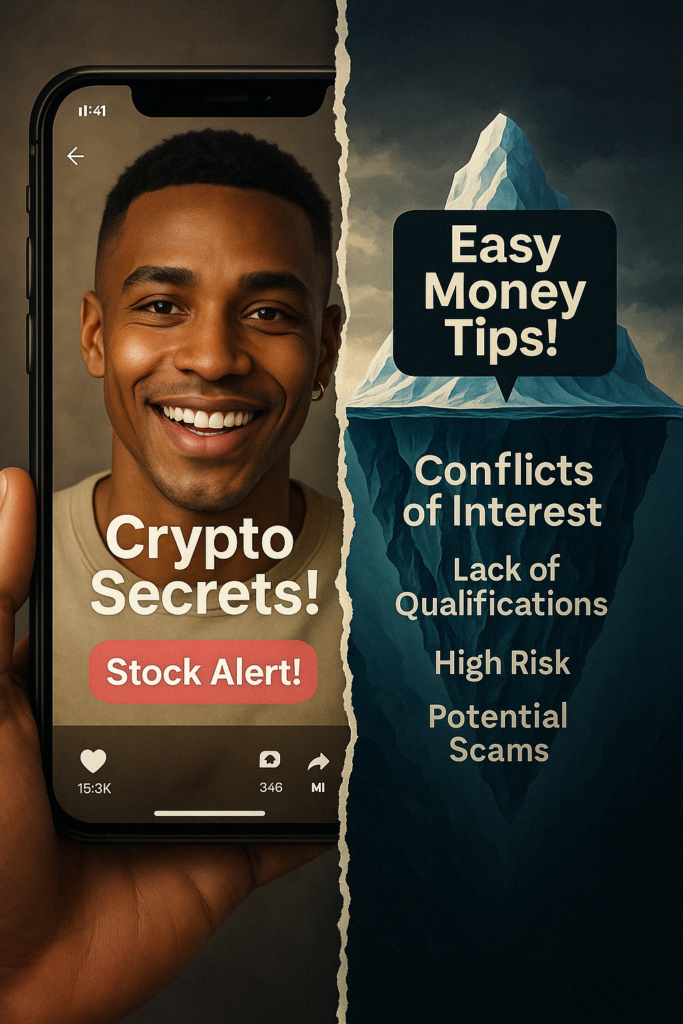
- Lack of Qualifications & Accountability: Many finfluencers lack formal financial education, licenses, or regulatory oversight. Their advice is opinion, not professional guidance tailored to your situation. If you lose money based on their “tip,” there’s usually no recourse.
- Conflicts of Interest: Many earn money through sponsorships, affiliate links (e.g., for crypto exchanges or brokers), or selling their own courses. They might promote a product because they’re paid to, not because it’s best for you. Transparency is often lacking.
- Unrealistic Promises & “Get Rich Quick” Schemes: Claims of guaranteed high returns, secret formulas, or making massive profits with little effort are huge red flags. Real investing involves risk and usually takes time.
- Pump-and-Dump Schemes: Particularly in the crypto and penny stock world, influencers might hype up an asset to inflate its price (pump), only to sell their own holdings as followers buy-in, crashing the price (dump).
- Oversimplification: Complex financial decisions are reduced to catchy soundbites, ignoring crucial factors like risk tolerance, time horizon, and individual financial goals.
- Herd Mentality: Viral trends can lead masses of inexperienced investors to pile into speculative assets, inflating bubbles and increasing risk.
- Predatory Course Sales: Selling overpriced courses promising secrets to wealth, often filled with generic information readily available for free.
Remember, their success metric is often engagement (likes, views, shares), not necessarily the financial success of their followers. Thinking about it that way really changes your perspective.
Your BS Detector: Identifying Questionable Advice
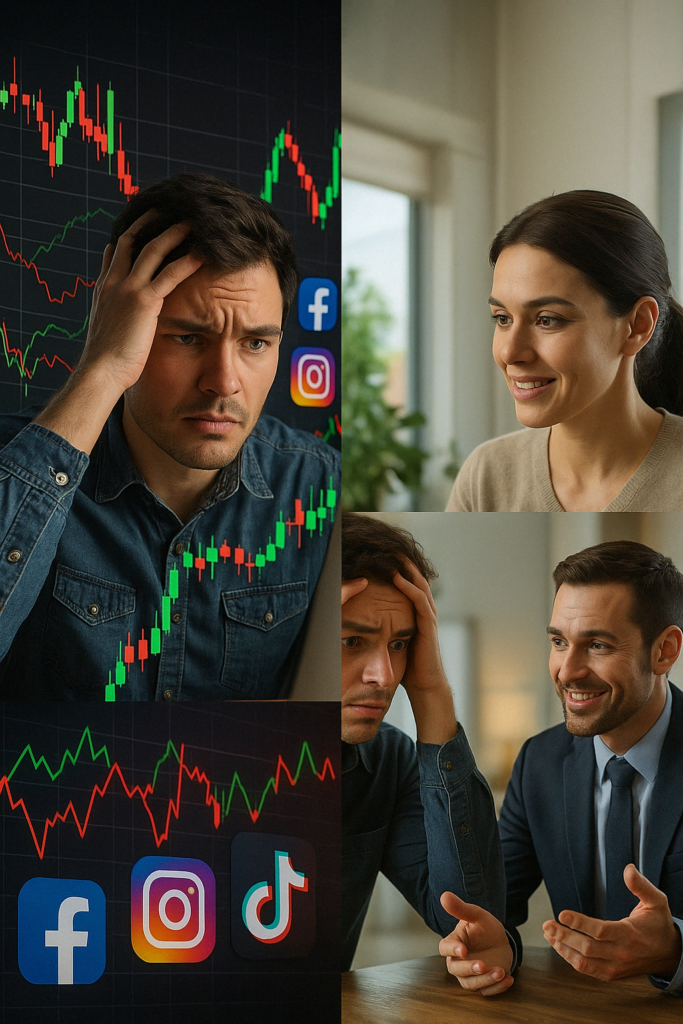
So, how do you protect yourself? Develop a healthy skepticism and look for these red flags:
- Promises of Guaranteed Returns: Investing always involves risk. Guarantees are a classic scam indicator.
- Pressure to Act Quickly: Phrases like “limited time offer,” “get in before it moons,” or creating excessive FOMO are manipulative tactics.
- Lack of Transparency about Sponsorships: If they’re promoting something, are they clearly stating #ad or #sponsored? Do they disclose affiliate relationships?
- Focus on Speculative Assets: Constant pushing of penny stocks, obscure crypto, or highly leveraged trading without adequately explaining the extreme risks.
- Vague or Unverifiable Claims: Relying on anecdotes (“I made $10k last week!”) without substance or context.
- Discouraging Due Diligence: Telling you not to worry about research or that “this time is different.” Always do your own research (Investor.gov is a good starting point for US investors).
- Selling Expensive Courses as the Only Path: Question the value proposition if the core message is locked behind a high-priced paywall.
- No Mention of Risks or Downsides: A balanced view acknowledges potential losses.
Treat social media finance advice as entertainment or idea generation, *not* as personalized professional guidance. If something sounds too good to be true, it almost certainly is.
What the Internet Really Thinks: Community Reactions
Online forums and comment sections paint a mixed picture. You’ll find:
- Grateful Newcomers: People thanking creators for sparking their interest in finance or explaining a basic concept they didn’t understand.
- Furious Victims: Individuals sharing stories of losing significant money by following speculative advice from a finfluencer.
- Deep Skepticism: Experienced investors often lament the oversimplification and dangerous advice being shared, constantly warning others.
- Debates on Ethics: Heated discussions about disclosure, qualifications, and whether finfluencers have a moral responsibility for their impact.
- Memes and Satire: The absurdity of some finfluencer claims often becomes fodder for jokes and parody accounts.
The overall sentiment, especially in more knowledgeable financial communities, leans heavily towards caution and criticism regarding the majority of finfluencers promoting specific products or get-rich-quick ideas.
The Road Ahead: Regulation and the Future of Finfluencers
Regulators are starting to pay closer attention. The SEC and other global bodies are increasingly scrutinizing online financial promotion, particularly around crypto assets and misleading investment advice. We’re seeing enforcement actions against influencers for undisclosed promotions or fraud. Financial regulations are slowly adapting to this new landscape.
What does the future hold? Probably:
- Increased Regulatory Scrutiny: Expect clearer rules and harsher penalties for misleading financial content.
- Platform Responsibility: Social media platforms may face pressure to better police financial misinformation.
- Demand for Transparency: Audiences may become more savvy at demanding clear disclosure of sponsorships and qualifications.
- Shift Towards Education: Hopefully, the trend might mature towards more responsible creators focusing on genuine financial education over hype.
- Rise of Credentialed Creators: Perhaps more qualified professionals will adapt to social media formats, offering credible alternatives.
Conclusion: Empowering Yourself in the Age of Finfluencers
The rise of Finfluencers presents both opportunities and significant risks. They have undeniably lowered the barrier to engaging with financial topics, which can be a positive first step for many. However, the lack of regulation, potential for conflicts of interest, and prevalence of misleading or downright dangerous advice mean navigating this space requires extreme caution and critical thinking. My observation is that while basic budgeting tips can be helpful, investment advice from unqualified online personalities is playing with fire.
Ultimately, financial well-being is too important to outsource to trending videos. Use Finfluencers for inspiration or basic education if you must, but always verify information, understand the risks, be wary of quick riches, and consider consulting a qualified, independent financial advisor for personalized guidance. Empower yourself with knowledge from credible sources, not just charismatic strangers online. Your financial future depends on it.