
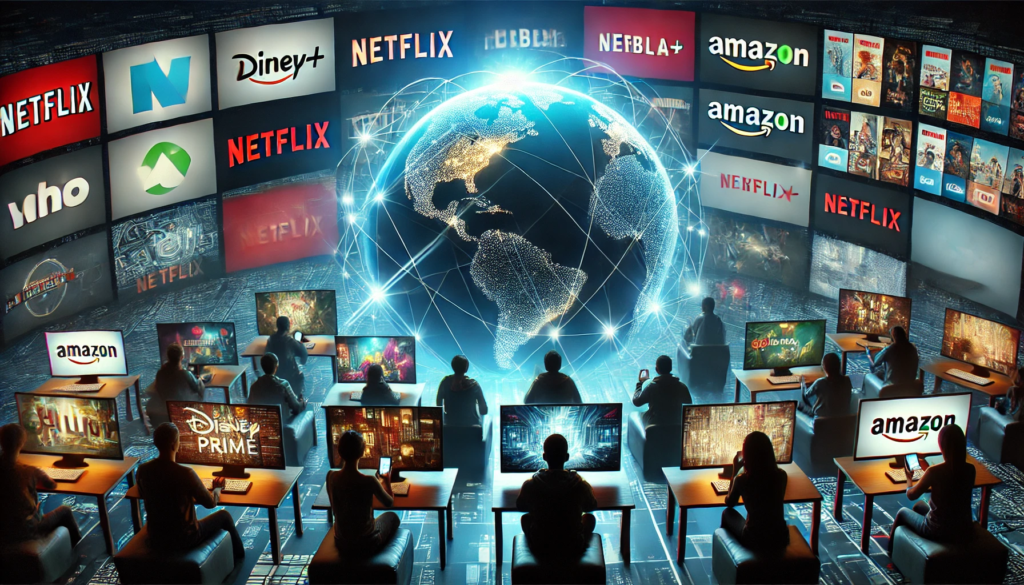
Streaming technology has revolutionized the way audiences consume entertainment content worldwide. From Netflix to Disney+, platforms are reshaping viewer habits and redefining success in the media industry.
This shift is creating new opportunities for content creators, studios, and global audiences alike.
The Rise of On-Demand Entertainment
The popularity of on-demand content has surged in the past decade. Consumers now expect instant access to movies, shows, and music from any device. This shift has disrupted traditional broadcasting and cable television models. Streaming offers greater flexibility, personalization, and variety than ever before.
The convenience and affordability of streaming services are key drivers of their growth. As broadband access expands, even more users are joining the streaming ecosystem.
Content Wars Among Global Giants
Major media conglomerates are fiercely competing for subscriber attention. Netflix, Amazon Prime Video, Apple TV+, and others are investing billions in original content. Exclusive series and movies have become strategic assets for customer retention. This competition has elevated production quality and storytelling diversity.
Localization efforts are also growing, with region-specific shows targeting global audiences. This trend is democratizing content creation across cultures and languages.
The Impact on Traditional Entertainment Models
Streaming has forced traditional TV and film industries to adapt or risk decline. Cinemas are exploring hybrid release models where movies debut online and in theaters simultaneously. Broadcast networks are launching their own platforms to stay competitive. Even awards bodies are adjusting eligibility rules to include streaming titles.
The boundary between TV, film, and internet content is becoming increasingly blurred. This evolution reflects shifting consumer preferences and technological advances.
New Business Models in the Streaming Economy
Subscription-based models dominate the industry, but alternatives are emerging. Ad-supported tiers, pay-per-view, and bundled services offer flexible monetization strategies. Niche platforms are catering to specific genres, such as horror, anime, or documentaries. Data-driven decision-making allows platforms to optimize content investments.
These innovations are shaping a more dynamic and segmented entertainment landscape. Understanding these models is key for stakeholders in the media industry.
Challenges of Content Saturation and Viewer Fatigue
With an overwhelming volume of content, audiences face decision fatigue. Too many choices can reduce engagement and increase churn rates. Platforms must focus on curation, user experience, and recommendation systems. Balancing quantity with quality remains a critical challenge.
Emerging platforms must find unique value propositions to stand out. User-centric design and meaningful content will define future success.
The Role of AI and Data in Entertainment
Artificial intelligence is playing a growing role in entertainment personalization. Recommendation engines use viewing behavior to tailor suggestions in real time. AI also assists in scriptwriting, dubbing, and even visual effects. Data analytics inform casting decisions, release timing, and content genres.
This tech-driven approach enhances efficiency and audience targeting. However, concerns about privacy and algorithmic bias must be addressed.
The Future of Global Entertainment
The future of entertainment is decentralized, digital, and data-driven. Interactive formats like virtual concerts, choose-your-own-adventure films, and AR/VR shows are gaining momentum. Cross-border collaborations are becoming more common in production and distribution. Audiences are now creators, curators, and critics in an increasingly participatory culture.
Streaming is not just a delivery method—it is an ecosystem for global cultural exchange. Adaptability and innovation will be the cornerstones of tomorrow’s entertainment landscape.
Conclusion: Navigating the Streaming Era
Streaming has democratized access to entertainment and disrupted legacy models. It has created a fast-evolving environment filled with both opportunity and uncertainty. Media companies, creators, and consumers must embrace change to thrive. By understanding trends and leveraging technology, stakeholders can shape a vibrant future.
The streaming era is just the beginning of a new age in global entertainment. Now is the time to innovate and connect with audiences in meaningful ways.