
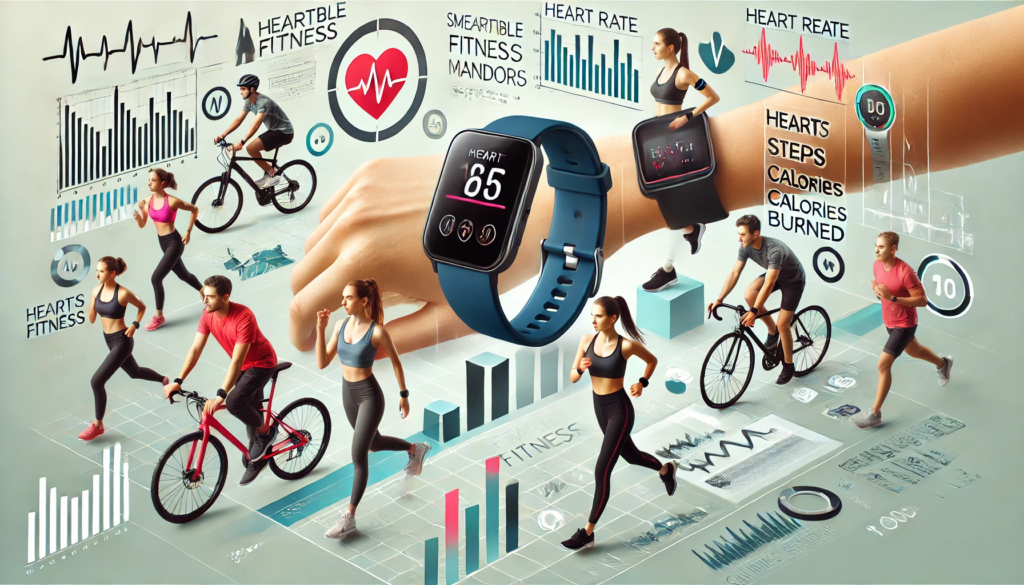
Wearable fitness technology is rapidly transforming how individuals monitor their health and performance. Devices like smartwatches, fitness bands, and biometric sensors are now central to modern sports and wellness routines.
This trend is driving innovation in both consumer health and professional athletic training.
The Rise of Wearable Technology in Sports
Wearables have evolved from basic step counters to sophisticated health monitors. They now track heart rate, sleep quality, oxygen levels, and even stress indicators. Athletes and everyday users alike benefit from real-time feedback and performance data. This technology empowers users to make informed decisions about their bodies.
With global health awareness rising, demand for wearables continues to grow. Fitness tech has become a lifestyle companion, not just a gadget.
How Wearables Are Used by Professional Athletes
Elite athletes rely on wearables for data-driven performance optimization. GPS tracking helps coaches analyze movement patterns and training loads. Heart rate variability and recovery metrics guide rest and workout intensity. Biometric insights reduce injury risks and enhance personalized coaching.
Sports organizations are partnering with tech companies to develop tailored solutions. Data security and ethical use remain key considerations in elite sports.
Consumer Trends and the Democratization of Fitness
Affordable wearables have made advanced health tracking accessible to the general public. Apps linked with devices offer guided workouts, nutrition plans, and goal tracking. This democratization supports healthier lifestyles and preventive health awareness. People are increasingly using wearables to monitor chronic conditions and wellness goals.
The line between sports, health, and technology is becoming increasingly blurred. Fitness is now a data-informed experience for users of all levels.
Integration with Digital Health Ecosystems
Wearables are now integrated into broader digital health platforms and telemedicine tools. Health data from wearables can be synced with electronic health records (EHR). Doctors use this data to monitor patients remotely and detect anomalies early. AI and machine learning enhance predictive health analytics from wearables.
This convergence is shaping the future of personalized and preventive healthcare. Collaboration between tech, health, and fitness sectors is accelerating.
Challenges: Privacy, Accuracy, and Data Overload
Despite their benefits, wearables raise concerns about data privacy and user consent. Inaccurate readings or algorithmic errors can lead to misleading conclusions. Information overload may cause anxiety or decision fatigue in users. Clear guidelines and responsible tech design are essential for user trust.
Companies must ensure transparency and secure handling of sensitive health data. Regulation will play a key role in shaping wearable technology’s future.
Next-Generation Innovations on the Horizon
Emerging wearables include smart clothing, implantable biosensors, and non-invasive glucose monitors. Future devices aim to be more seamless, discreet, and multifunctional. Biometric authentication, real-time hydration tracking, and posture correction are in development. Interoperability with smart homes and AR fitness platforms is also expanding.
These innovations promise to elevate fitness and health monitoring to new levels. User-centric design will be critical to adoption and impact.
The Role of AI in Wearable Fitness Tech
Artificial intelligence enhances the value of wearable data through analysis and personalization. AI algorithms offer adaptive training plans based on performance trends and goals. Voice-based feedback and virtual coaching are becoming more common. Machine learning helps detect early signs of illness or overtraining.
AI-driven insights empower users to optimize their routines safely and effectively. As technology advances, real-time coaching will become increasingly intelligent.
Conclusion: A Data-Driven Future for Sports and Health
Wearable fitness tech is redefining how we approach personal health, sports, and wellness. It offers actionable insights, motivation, and a deeper understanding of the body. As the market matures, innovation will focus on personalization, accuracy, and user empowerment. This intersection of sports and technology holds immense promise.
From elite athletes to casual users, wearable devices are reshaping the future of fitness. The journey toward smarter health begins on our wrists—and beyond.